loader image

Viswa Designers

Author name: thewebsitemakers

Future of Fashion Jewellery
Affordable jewelley, Temple Jewelley

The Future of Fashion Jewellery: Trends and Innovations

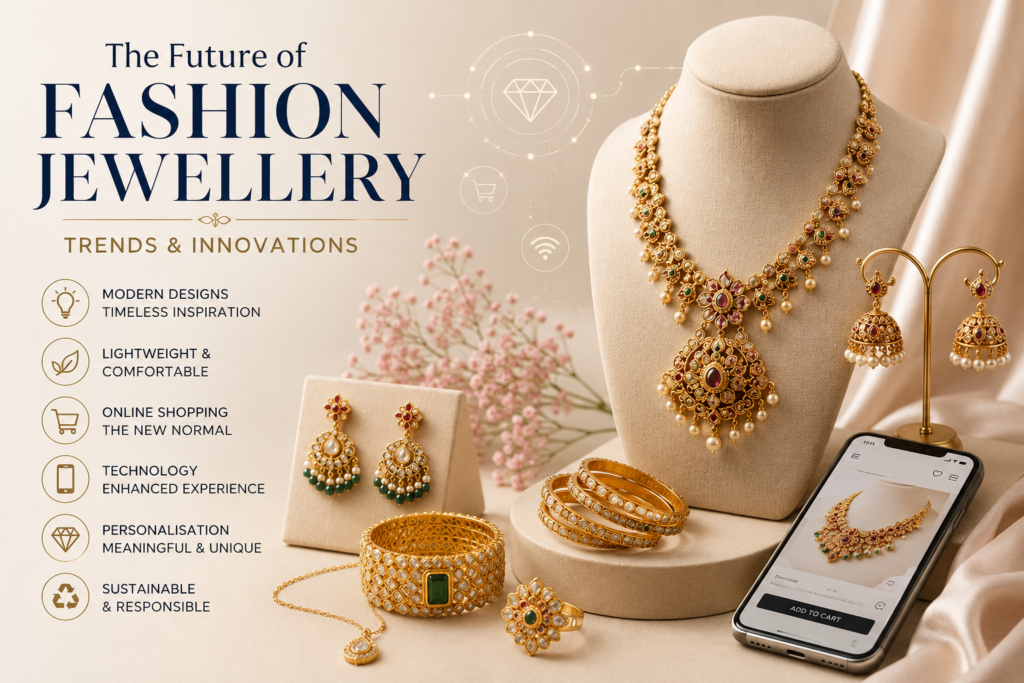
Fashion jewellery has come a long way. What was once considered an occasional accessory is now an important part of everyday styling. Women are experimenting with jewellery more freely, mixing traditional designs with contemporary outfits and choosing pieces based on personality, occasion, and convenience. At the same time, online shopping, changing fashion preferences, improved craftsmanship, and new design techniques are transforming the jewellery industry. The future of fashion jewellery is not simply about creating more designs. It is about creating beautiful, versatile, comfortable, and accessible jewellery that fits the way people live today. Let’s look at some of the trends and innovations that are shaping the future of fashion jewellery. 1. Traditional Designs with a Modern Twist Traditional Indian jewellery isn’t disappearing. Instead, it is being redesigned for modern lifestyles. Classic designs such as: are being adapted into lighter and more contemporary styles. This allows women to enjoy the beauty of traditional jewellery without feeling like they need to reserve it only for weddings or major celebrations. A traditional jhumka, for example, can now be paired with an ethnic kurta, saree, or even a contemporary Indo-western outfit. 2. Lightweight Jewellery Will Continue to Grow Comfort is becoming increasingly important. Women want jewellery that looks elegant but doesn’t feel difficult to wear throughout the day. This is particularly relevant for people who want to transition between work, social events, and family occasions without changing their entire look. Lightweight necklaces, earrings, bangles, and pendants are therefore likely to remain popular. The future of fashion jewellery will focus not only on appearance but also on wearability. 3. Jewellery Designed for Multiple Occasions Modern consumers increasingly prefer versatile products. Instead of buying one piece specifically for a single event, shoppers are looking for jewellery that can work across different occasions. For example, a simple traditional necklace could be worn with: Versatility gives customers more value and makes jewellery collections easier to build. 4. Personalised Jewellery Will Become More Popular Personal style is becoming increasingly important in fashion. Instead of simply following trends, consumers are looking for pieces that feel connected to their identity. Personalised jewellery may include: As technology and online shopping improve, customised designs may become more accessible to a wider audience. 5. Gold-Look Jewellery Will Continue to Attract Buyers Gold has always been associated with elegance and tradition in India. However, owning a large collection of gold jewellery may not be practical for everyone. This creates an opportunity for premium gold-look and gold sheet jewellery. These designs allow jewellery lovers to explore traditional-inspired styles without limiting themselves to only a few pieces. Popular gold-look designs include: As consumers look for affordable ways to experiment with fashion, gold-look jewellery is likely to remain an important part of the market. 6. Online Jewellery Shopping Will Keep Expanding The way people discover and purchase jewellery has changed dramatically. Instead of visiting several physical stores, shoppers can now explore hundreds of designs online. Online jewellery shopping provides access to: As e-commerce platforms improve, the online jewellery shopping experience is likely to become even more interactive. Better product photography, videos, size guides, customer reviews, and virtual styling tools can make it easier for customers to make confident decisions. 7. Social Media Will Influence Jewellery Trends Social media has become a major source of fashion inspiration. Instagram, Pinterest, YouTube, and other platforms allow jewellery trends to spread quickly. A particular style of jhumka, necklace, bracelet, or layered jewellery can become popular simply because people see it styled by creators and fashion enthusiasts. This means jewellery brands will increasingly focus on designs that photograph well while still being practical for everyday wear. 8. Mix-and-Match Jewellery Will Become More Common Modern jewellery styling is becoming less restrictive. Women are increasingly comfortable mixing: This freedom allows people to create unique combinations rather than relying entirely on matching sets. Layered necklaces and mixed bangles are particularly useful for creating personalised looks. 9. Minimalism and Statement Jewellery Will Coexist Fashion doesn’t always move in one direction. Some women prefer delicate necklaces and tiny earrings, while others love bold statement pieces. Both styles are likely to remain popular. Minimal jewellery works well for: Statement jewellery is ideal for: The future of jewellery will offer more choices rather than forcing everyone into one trend. 10. Better Jewellery Craftsmanship As customers become more informed, expectations around quality are also increasing. Shoppers want jewellery that looks attractive in photographs and feels well-made when they receive it. This means brands will need to focus on: A beautiful design may attract a customer, but good quality helps build long-term trust. 11. Sustainable and Responsible Fashion Sustainability is becoming increasingly important across the fashion industry. Consumers are becoming more conscious about how products are made, what materials are used, and how long products can remain useful. In the future, fashion jewellery brands may place greater emphasis on: The idea of buying fewer, more versatile pieces may also influence jewellery shopping habits. 12. Technology Will Change How Jewellery Is Experienced Technology can make online jewellery shopping more interactive. In the future, shoppers may increasingly use tools that allow them to: These developments can help solve one of the biggest challenges of online jewellery shopping: understanding how a piece will actually look when worn. 13. Jewellery Will Become More Gender-Neutral Fashion is becoming more flexible, and jewellery is part of that change. While traditional jewellery marketing has often focused heavily on women, contemporary fashion is opening up more options for different consumers. Simple chains, bracelets, rings, pendants, and other accessories can be styled according to individual preference rather than strict gender-based rules. 14. Jewellery as Everyday Self-Expression Perhaps the biggest change is that jewellery is increasingly being viewed as a form of self-expression. People are no longer waiting for weddings and festivals to wear beautiful jewellery. A small pendant can become part of a daily outfit. Statement earrings can transform a simple dress. Traditional jhumkas can add personality to a modern outfit. Jewellery is becoming less about following rules and more
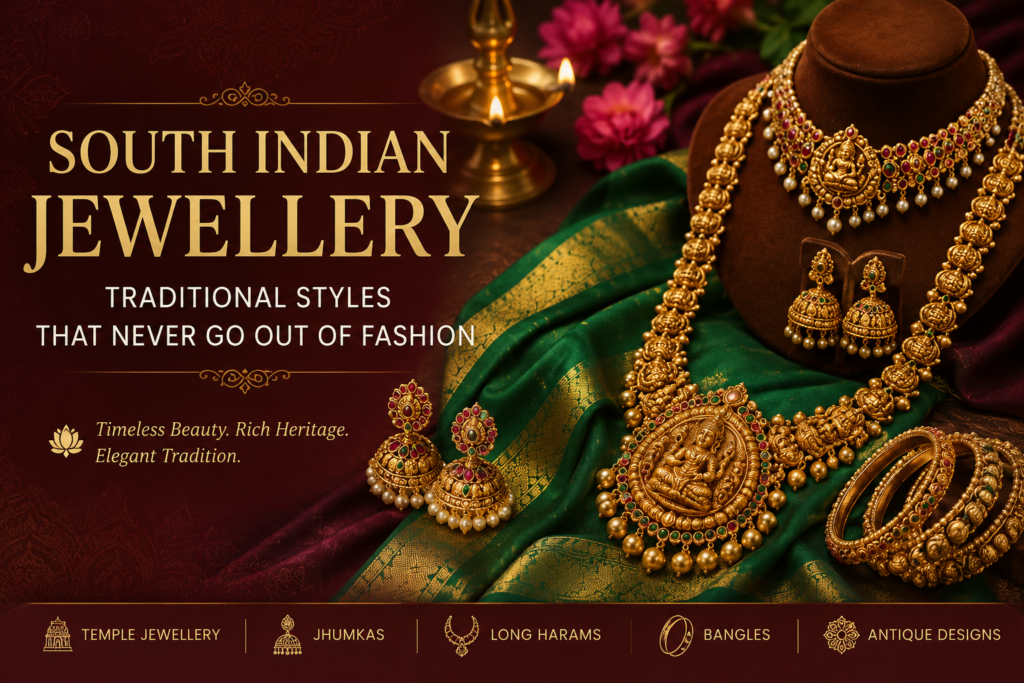
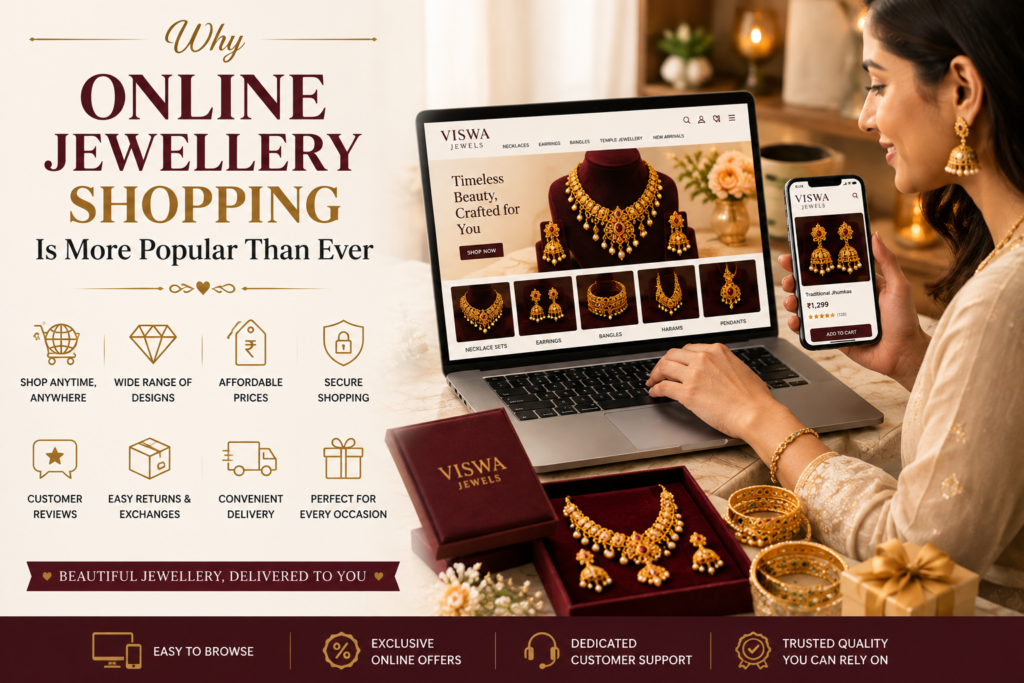
South Indian Traditional Jewellery Designs
Affordable jewelley, Temple Jewelley

Stunning Traditional Jewellery Designs Inspired by South Indian Culture

South Indian culture is known for its rich traditions, beautiful textiles, classical art, and timeless jewellery. Among these traditions, jewellery holds a special place. It is worn not only to enhance an outfit but also to celebrate important occasions, family traditions, and cultural heritage. From intricate temple jewellery and elegant jhumkas to long harams and traditional bangles, South Indian-inspired jewellery continues to be loved by women of all generations. While the designs have evolved over time, their traditional charm remains unchanged. Whether you’re preparing for a wedding, dressing up for a festival, or simply love ethnic fashion, South Indian jewellery offers plenty of inspiration. What Makes South Indian Jewellery So Special? South Indian jewellery stands out because of its detailed designs and strong connection to tradition. Many traditional pieces are inspired by: These elements give the jewellery a distinctive character. Even a simple necklace or pair of earrings can make a traditional outfit feel much more elegant. 1. Temple Jewellery Inspired by Heritage Temple jewellery is perhaps one of the most recognizable jewellery styles associated with South Indian culture. Its designs are inspired by temple art and traditional motifs, giving the jewellery a rich and heritage-inspired appearance. Temple jewellery is particularly popular for: A complete temple jewellery set may include a necklace, long haram, jhumkas, bangles, and other accessories. However, individual pieces can also be styled beautifully with simpler outfits. 2. Traditional South Indian Necklace Sets A traditional necklace can instantly elevate a saree or ethnic outfit. South Indian-inspired necklace designs are available in a variety of styles, from delicate pieces to elaborate bridal sets. You can choose: For a wedding, a statement necklace paired with a long haram creates a grand appearance. For a festival, a medium-sized necklace may be enough to add an elegant traditional touch. 3. Long Harams for a Regal Appearance Long harams are an essential part of traditional South Indian bridal styling. Their elongated design adds length and dimension to the overall jewellery arrangement. When paired with a shorter necklace, a haram creates a beautiful layered look. Long harams look particularly attractive with: For a modern interpretation, you can wear a long haram with a relatively simple saree and let it become the main highlight. 4. Jhumkas That Complement Every Generation Jhumkas have remained a favourite among South Indian women for generations. Their traditional bell-shaped design is instantly recognizable, yet there are countless variations available today. Popular styles include: Small jhumkas are perfect for everyday ethnic wear, while larger designs can create a striking look for weddings and festivals. 5. Traditional Bangles Bangles are another important part of South Indian jewellery styling. They can be worn individually or stacked to create a richer appearance. Traditional bangle designs may feature: Bangles pair especially well with silk sarees and traditional wedding outfits. 6. Antique-Inspired Jewellery Antique-inspired jewellery has a unique old-world charm. Its deeper finish and detailed patterns can create a heritage-inspired appearance that works beautifully with traditional Indian clothing. Antique jewellery can be worn for: It is also a good choice for women who prefer jewellery that feels classic rather than strongly influenced by short-term fashion trends. 7. Traditional Chokers Chokers are another jewellery style that has successfully made its way into modern South Indian fashion. Traditional-inspired chokers can feature temple motifs, stones, pearls, or intricate patterns. They work beautifully with: A statement choker can become the main focus of your jewellery look, allowing you to keep the remaining accessories relatively simple. 8. Pearl Jewellery with a South Indian Touch Pearls add softness and sophistication to traditional styling. A pearl necklace or pair of pearl earrings can be paired with silk sarees and ethnic outfits for an elegant appearance. Pearls can also be combined with traditional gold-look designs to create an interesting contrast between classic richness and subtle elegance. 9. Statement Earrings You don’t always need a heavy necklace to create an impressive traditional look. A beautiful pair of statement earrings can completely transform a simple saree. Consider: If you choose statement earrings, keeping the necklace minimal can help maintain balance. 10. Traditional Pendants for Everyday Styling For women who prefer subtle jewellery, a traditional pendant is an excellent choice. A pendant can add a cultural touch to everyday outfits without looking too elaborate. You can wear it with: A versatile pendant can become one of the most frequently worn pieces in your jewellery collection. South Indian Jewellery for Weddings South Indian weddings provide the perfect opportunity to embrace traditional jewellery. Brides often combine multiple jewellery pieces to create a grand look. A typical combination might include a statement necklace, long haram, jhumkas, bangles, and a traditional waist accessory. However, modern brides are also experimenting with simpler combinations. Instead of wearing multiple heavy pieces, some choose one statement necklace and complement it with elegant earrings and bangles. The goal is to create a look that feels beautiful and comfortable at the same time. South Indian Jewellery for Festivals You don’t need a wedding to enjoy traditional jewellery. Festivals are ideal for wearing temple-inspired earrings, traditional necklaces, bangles, and elegant pendants. For a simple festive look, try a silk saree with a pair of temple jhumkas and a traditional bangle. If your outfit is minimal, a statement necklace can add just the right amount of festive detail. South Indian Jewellery for Modern Outfits Traditional jewellery can also work surprisingly well with contemporary clothing. Try pairing: Mixing traditional and contemporary elements can create a stylish look without losing the cultural character of the jewellery. Gold Sheet Jewellery for Traditional Styling Traditional gold jewellery has long been admired for its beauty, but purchasing multiple elaborate pieces can require a significant budget. Premium gold sheet jewellery offers an alternative for women who want to explore traditional gold-look designs. Depending on the collection, you can find: These designs can be styled for weddings, festivals, family functions, and other celebrations. When purchasing online, make sure you check the product description, materials, measurements, finish, and care instructions for the specific piece. How

Online Jewellery Shopping
Affordable jewelley, Bridal Jewellery, Temple Jewelley

Must-Have Traditional Jewellery Pieces for Every Indian Woman

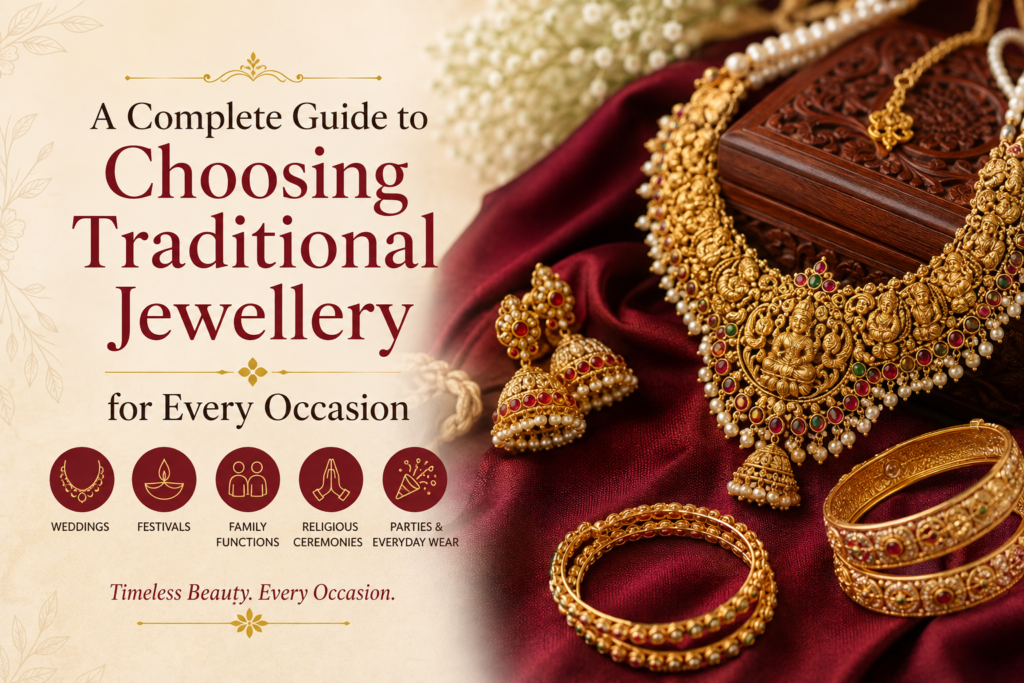
Jewellery has always been an important part of Indian fashion. It can add elegance to a simple saree, bring a festive touch to an ethnic outfit, or complete a bridal look. More importantly, traditional jewellery often carries memories of weddings, festivals, family celebrations, and special moments shared across generations. You don’t need a huge jewellery collection to create beautiful looks. A thoughtfully chosen set of must-have traditional jewellery pieces can give you plenty of styling options for different occasions. From classic jhumkas to elegant necklaces and versatile bangles, here are the traditional jewellery pieces worth having in your collection. Why Every Woman Needs a Few Traditional Jewellery Pieces Traditional jewellery is incredibly versatile. A single necklace or pair of earrings can often be styled with multiple outfits. For example, a classic pair of jhumkas can work with a silk saree for a festival, a kurta for a family gathering, or even an Indo-western outfit for a party. A good traditional jewellery collection should ideally include pieces that offer: Instead of buying jewellery simply because it is trending, focus on designs that you can enjoy for years. 1. A Classic Pair of Jhumkas If there is one traditional jewellery piece that deserves a place in every collection, it’s the jhumka. Jhumkas have remained popular for generations because they suit almost every age group and occasion. You can choose between: A smaller pair is perfect for everyday ethnic wear, while larger jhumkas can instantly elevate a wedding or festive outfit. 2. A Versatile Traditional Necklace A good necklace can transform the appearance of a saree or ethnic outfit. For everyday or semi-formal occasions, consider a medium-sized traditional necklace that can work with different colours and styles. For special occasions, a more elaborate necklace set can become the centrepiece of your outfit. A versatile collection might include: Having different styles gives you more flexibility when dressing for different occasions. 3. Temple Jewellery Temple jewellery is a beautiful way to bring heritage into your wardrobe. Inspired by traditional Indian temple art, these designs often feature motifs such as flowers, leaves, coins, and divine-inspired elements. Temple jewellery is particularly suitable for: You can wear a complete temple jewellery set for a grand look or choose just a pair of earrings or a pendant for something more subtle. 4. A Long Haram A long haram can add instant elegance to a traditional outfit. It works especially well with silk sarees, bridal sarees, half sarees, and traditional lehengas. You can wear a long haram on its own or layer it with a shorter necklace. Layering creates a more elaborate appearance and is especially popular for South Indian bridal styling. If you want one statement piece for weddings and major celebrations, a long haram is worth considering. 5. Traditional Bangles Bangles are an essential part of Indian jewellery styling. They add movement and character to your hands and can be worn individually or stacked. Consider adding a few different styles to your collection, such as: You can mix and match them depending on your outfit and occasion. 6. A Traditional Choker A choker can create an elegant and sophisticated appearance while highlighting the neckline of your saree or ethnic outfit. Traditional chokers may feature intricate motifs, pearls, stones, or antique-inspired details. They are particularly suitable for: If you’re wearing a heavily decorated outfit, a refined choker can often provide enough jewellery without making the overall appearance too busy. 7. Pearl Jewellery Pearls add a softer and more sophisticated touch to traditional styling. A pearl necklace or pair of pearl earrings can work beautifully for daytime celebrations, family functions, engagements, and formal occasions. Pearls can also be combined with traditional gold-look designs to create an attractive balance between classic and contemporary styles. 8. Statement Earrings A statement pair of earrings can completely change the appearance of a simple outfit. If you’re wearing a relatively plain saree, large traditional earrings can become the main highlight. Popular options include: When wearing statement earrings, you can keep your necklace minimal to maintain a balanced look. 9. A Traditional Pendant For everyday styling, a pendant is one of the most practical jewellery pieces you can own. It can be worn with sarees, salwar suits, kurtas, and other ethnic outfits. A simple traditional pendant can add elegance without making your outfit feel overdressed. It is also a thoughtful option for gifting and can become a jewellery piece you reach for regularly. 10. Maang Tikka for Special Occasions A maang tikka may not be an everyday accessory, but it can be a beautiful addition to a bridal or festive jewellery collection. It works particularly well with: Choose a design that complements your necklace and earrings for a coordinated appearance. 11. Waist Jewellery for Traditional Bridal Looks For women who love traditional South Indian bridal styling, a waist belt or vaddanam-inspired design can be a beautiful addition. It can enhance the saree drape and create a more complete traditional appearance. This type of jewellery is especially suitable for weddings, cultural ceremonies, and grand celebrations. How to Build a Traditional Jewellery Collection on a Budget You don’t have to buy everything at once. Start with versatile pieces that can be worn for several occasions. A practical starting collection could include: Once you have these basics, you can gradually add more designs based on your personal style. Gold-Look Jewellery for More Styling Options Traditional gold jewellery is beautiful, but purchasing several elaborate gold pieces can require a considerable investment. For women who want the appearance of traditional gold jewellery while exploring a wider range of designs, premium gold sheet and gold-look jewellery can be an option. Depending on the collection, you can find gold-look versions of: This can make it easier to create different looks for weddings, festivals, parties, family functions, and everyday ethnic wear. When purchasing online, always check the specific product details, materials, finish, measurements, and care instructions. Choose Jewellery According to Your Lifestyle Your jewellery collection should reflect how you actually dress. If you

Traditional Jewellery for Wedding
Affordable jewelley, Temple Jewelley

How Traditional Jewellery Completes Your Wedding Look

A wedding outfit is never truly complete without the right jewellery. Whether you’re the bride, bridesmaid, or wedding guest, traditional jewellery has a special way of bringing an ethnic outfit together. It adds elegance, highlights your features, and gives your overall look a beautiful sense of occasion. For Indian weddings, jewellery is also deeply connected to tradition and memories. From temple-inspired necklaces and long harams to classic jhumkas and bangles, every piece can add something unique to your wedding style. The secret is not simply wearing more jewellery. It’s about choosing the right traditional jewellery for your outfit, occasion, and personal style. Why Traditional Jewellery Is Important for Weddings Indian weddings are filled with colour, culture, and celebration. Traditional jewellery naturally complements this atmosphere. A well-chosen jewellery set can: Even a relatively simple saree can look luxurious when paired with an elegant necklace and statement earrings. 1. A Statement Necklace Creates the Main Focus For many brides, the necklace is the centrepiece of the jewellery collection. Traditional necklace sets can feature intricate motifs, stones, pearls, antique-inspired finishes, or temple designs. If your wedding outfit is relatively simple, a statement necklace can instantly add grandeur. On the other hand, if your saree or lehenga already has heavy embroidery and detailing, a more refined necklace may create better balance. 2. Temple Jewellery Adds Heritage and Elegance Temple jewellery is a natural choice for traditional Indian weddings, especially South Indian ceremonies. Inspired by temple art and traditional motifs, these designs bring a strong sense of heritage to bridal styling. A traditional temple jewellery combination may include: You don’t have to wear every piece. Selecting a few complementary designs can create an elegant look without making your jewellery appear overwhelming. 3. Long Harams Add a Regal Touch Long harams can dramatically enhance a traditional bridal outfit. Their elongated design creates a beautiful vertical line and works especially well with silk sarees. Layering a long haram with a shorter necklace can create the grand, traditional appearance many brides love. For a more modern approach, wear the haram as the primary necklace and keep the remaining jewellery understated. 4. Jhumkas Frame the Face A beautiful pair of jhumkas can make a significant difference to your wedding look. Because earrings sit close to the face, they naturally attract attention. Traditional jhumkas can add movement and character while complementing the necklace. Popular options include: Choose the size based on your hairstyle, face shape, and the amount of jewellery you’re wearing around your neck. 5. Bangles Complete the Bridal Look Bangles bring colour, movement, and traditional charm to a bride’s hands. You can create a coordinated look with matching bangles or mix different designs for a layered appearance. Traditional bangles work beautifully with: If your necklace and earrings are elaborate, consider choosing bangles that complement rather than compete with them. 6. Chokers Create a Sophisticated Look A traditional choker can be an excellent choice for brides who want a jewellery style that feels both classic and contemporary. Chokers sit close to the neckline and can beautifully highlight an embroidered blouse or lehenga. For a balanced look, pair a statement choker with elegant earrings and minimal additional jewellery. 7. A Maang Tikka Adds the Finishing Touch A traditional maang tikka can bring the entire bridal look together. Choose one that complements your necklace and earrings. If your jewellery is already elaborate, a delicate maang tikka can maintain balance. If you’re wearing relatively simple jewellery, a more detailed design can become a beautiful focal point. 8. Waist Jewellery Enhances Traditional Sarees For traditional South Indian bridal styling, a waist belt or vaddanam-inspired design can add another layer of elegance. It can help define the saree drape while creating a more complete traditional appearance. A waist accessory works particularly well with silk sarees and elaborate bridal styling. Choosing Jewellery According to Your Wedding Outfit Your jewellery should work with your clothing rather than compete with it. Silk Sarees Temple jewellery, long harams, traditional necklaces, jhumkas, and bangles are excellent choices. Designer Sarees A statement choker or elegant necklace paired with sophisticated earrings can create a polished appearance. Bridal Lehengas Chokers, layered necklaces, statement earrings, and bangles can complement heavily embroidered lehengas. Simple Sarees A statement necklace or pair of large jhumkas can add the right amount of glamour. Match Jewellery with Your Saree Colour Colour coordination can make your wedding styling look more intentional. Red and maroon: Traditional gold-look and temple-inspired jewellery complement these rich colours beautifully. Green: Gold-look jewellery, temple motifs, and pearls can create an elegant combination. Pink: Delicate gold-look jewellery or statement earrings can work well with both soft and vibrant pink shades. Blue: Pearls, traditional gold-look pieces, and stone-studded jewellery can create an attractive contrast. Yellow and mustard: Antique-inspired and temple jewellery can enhance these warm shades. Don’t Forget Your Blouse Neckline The blouse neckline can influence which necklace works best. A high neckline may pair beautifully with a longer necklace, while a deeper neckline can provide space for a choker or shorter necklace. If your blouse has heavy embroidery, consider jewellery with slightly simpler detailing so that the overall look remains balanced. Create Layers Without Overdoing It Layering jewellery can create a grand bridal appearance, but too many statement pieces can make the look feel crowded. A simple approach is to choose: One main statement piece + complementary accessories. For example, if you’re wearing a grand necklace, choose earrings and bangles that support the look rather than competing for attention. Similarly, if statement earrings are the main highlight, you can keep the necklace more refined. Comfort Matters on Your Wedding Day Wedding celebrations can last for several hours, so comfort is just as important as appearance. Before choosing your jewellery, consider: If possible, try your complete jewellery combination with your wedding outfit before the big day. A comfortable bride can enjoy her celebrations, interact with guests, and pose for photographs without constantly adjusting her jewellery. Gold-Look Jewellery for an Elegant Wedding Style Traditional gold jewellery is

Latest Temple Jewellery Designs
Blog

Latest Temple Jewellery Designs for Festivals and Celebrations

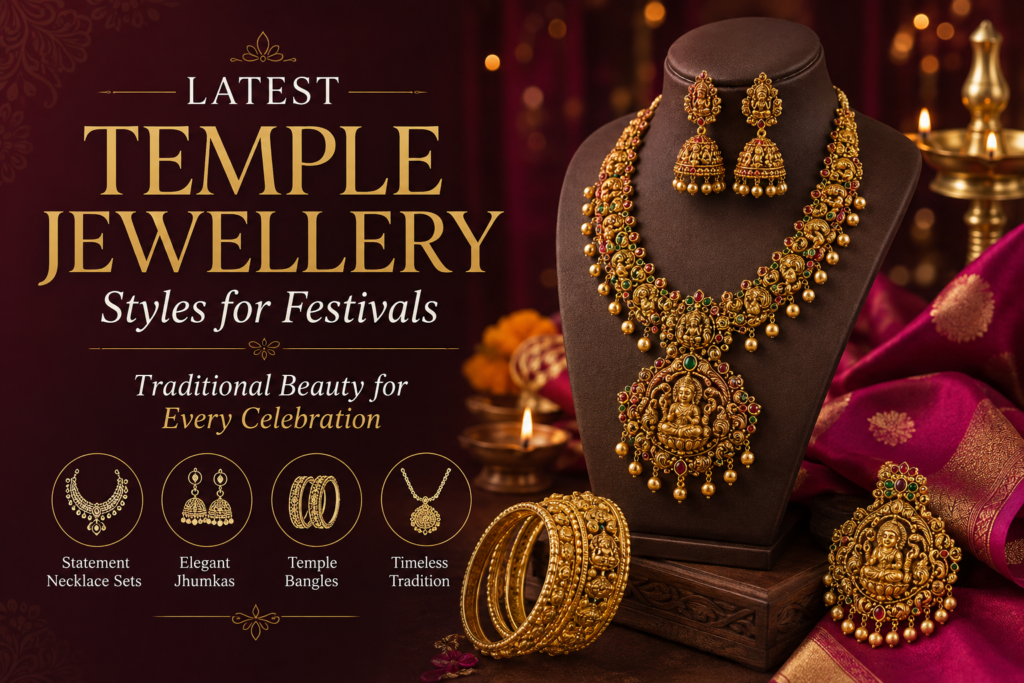
Festivals and celebrations are the perfect occasions to dress up, embrace tradition, and add a little extra sparkle to your look. While beautiful sarees and ethnic outfits naturally take centre stage, the right jewellery can make the entire look feel more complete. Among the many traditional jewellery styles available today, temple jewellery continues to be a favourite. Its heritage-inspired motifs, detailed craftsmanship, and rich appearance make it ideal for festivals, family functions, religious ceremonies, and special celebrations. Today, temple jewellery is also evolving. Traditional designs are being combined with lighter silhouettes, contemporary styling, and versatile pieces that appeal to women of different age groups. If you’re looking for inspiration, here are some of the latest temple jewellery styles worth exploring for your next celebration. Why Temple Jewellery Is Perfect for Festivals Temple jewellery has a natural connection with Indian traditions and celebrations. Its intricate motifs and classic appearance complement traditional outfits beautifully. It works especially well with: Whether you’re attending a pooja or a large family celebration, temple-inspired jewellery can add an elegant traditional touch to your outfit. 1. Statement Temple Necklace Sets Statement necklace sets continue to be a popular choice for festive occasions. These designs often feature intricate motifs and detailed patterns that create an eye-catching appearance without requiring too many additional accessories. A statement temple necklace works particularly well with a simple silk saree because it becomes the main highlight of the outfit. For a balanced appearance, pair it with matching earrings and keep the rest of your accessories relatively subtle. 2. Lightweight Temple Jewellery One of the biggest trends in traditional jewellery is the move towards lighter, more comfortable designs. Festivals can involve several hours of celebrations, visits, rituals, and family gatherings. Lightweight temple jewellery allows you to enjoy the occasion without feeling weighed down. Popular lightweight options include: These pieces are also practical because they can often be worn beyond the festive season. 3. Temple Jhumkas Jhumkas remain one of the easiest ways to add a traditional touch to your festive outfit. Temple-inspired jhumkas can feature detailed motifs, traditional shapes, and an antique-style finish. You can choose larger jhumkas for a statement look or smaller designs for a more refined appearance. A pair of temple jhumkas can instantly elevate: 4. Long Temple Harams For grand festivals and special celebrations, a long haram can create a beautiful traditional look. Long harams add length to the jewellery arrangement and work especially well with silk sarees. You can wear a haram on its own or layer it with a shorter temple necklace for a more elaborate appearance. For family weddings, major festivals, and cultural events, this combination can create a regal look. 5. Temple-Inspired Chokers Chokers are becoming increasingly popular among women who want traditional jewellery with a contemporary feel. A temple-inspired choker sits close to the neckline and can beautifully frame a saree blouse or lehenga neckline. For a modern festive look, pair a statement choker with simple earrings and minimal bangles. 6. Temple Bangles Traditional bangles are an important part of festive styling, and temple-inspired designs add an extra heritage touch. You can wear a coordinated set or combine different bangles to create a layered appearance. Temple bangles pair beautifully with: If your necklace and earrings are elaborate, choose simpler bangles to keep the overall look balanced. 7. Temple-Inspired Pendant Sets If you prefer minimal jewellery, a temple-inspired pendant may be the perfect choice. A traditional pendant can add cultural character without creating an overly elaborate look. It works particularly well for: Pair it with small earrings and a simple bangle for an understated festive appearance. 8. Antique-Finish Temple Jewellery Antique finishes continue to be popular because they give temple jewellery a heritage-inspired appearance. The slightly deeper finish can complement rich fabrics and traditional colours beautifully. Antique temple jewellery looks particularly attractive with: It can create a vintage-inspired appearance while remaining suitable for contemporary celebrations. 9. Pearl and Temple Jewellery Combinations Combining pearls with temple-inspired designs creates an elegant balance between traditional richness and softer sophistication. Pearl details can be incorporated into: This style is particularly suitable for women who want traditional jewellery with a slightly lighter and more refined appearance. 10. Contemporary Temple Jewellery Modern temple jewellery doesn’t always follow traditional designs exactly. Contemporary versions may feature simpler motifs, cleaner shapes, smaller silhouettes, or designs that can easily be paired with modern ethnic outfits. This makes temple jewellery appealing to younger women who want to celebrate tradition without creating an overly traditional appearance. For example, you can pair a simple temple-inspired necklace with a designer saree and contemporary blouse. How to Choose Temple Jewellery for Different Festivals Different celebrations may call for different jewellery styles. Diwali Try statement earrings, elegant temple necklaces, or layered jewellery with festive sarees and lehengas. Sankranti Traditional jhumkas, temple jewellery, and bangles work beautifully with silk sarees and half sarees. Ugadi Choose elegant and relatively lightweight traditional jewellery for a graceful festive appearance. Navratri and Dussehra Statement earrings, chokers, colourful necklace sets, and traditional bangles can complement vibrant ethnic outfits. Religious Ceremonies Choose elegant temple-inspired necklaces, simple pendants, and traditional earrings for a refined appearance. How to Match Temple Jewellery with Your Outfit The jewellery should complement your clothing rather than compete with it. If you’re wearing a heavily embroidered outfit, choose a slightly simpler jewellery set. If your saree is relatively plain, a statement temple necklace or large jhumkas can add the right amount of detail. Also consider the neckline, saree border, blouse design, and colours when selecting your jewellery. Gold Sheet Temple Jewellery for Affordable Festive Styling Traditional gold jewellery can be a significant investment, especially when you’re looking for elaborate temple-inspired designs. Premium gold sheet jewellery offers an accessible way to explore traditional gold-look designs for different occasions. Depending on the collection, you can find: These designs can help you create multiple festive looks while keeping your jewellery collection versatile. As always, check the specific product description, materials, finish, dimensions, and care instructions before purchasing. Tips

South Indian Traditional Jewellery
Affordable jewelley, Temple Jewelley

The Timeless Beauty of South Indian Traditional Jewellery

South Indian jewellery has a beauty that never seems to fade. Rich in tradition, detailed in craftsmanship, and deeply connected to celebrations, it has been part of weddings, festivals, and family occasions for generations. From grand temple jewellery and long harams to elegant jhumkas and traditional bangles, every piece has a character of its own. What makes South Indian jewellery particularly special is the way it combines heritage with timeless elegance. Even today, modern brides and jewellery lovers continue to embrace these classic designs while giving them their own contemporary touch. Let’s explore what makes South Indian traditional jewellery so special and why it continues to be loved across generations. What Makes South Indian Jewellery Unique? South Indian jewellery is known for its intricate designs, traditional motifs, rich finishes, and elaborate styling. Many designs draw inspiration from: These details give the jewellery a distinctive appearance that immediately adds richness to ethnic outfits. Temple Jewellery: A Symbol of Tradition Temple jewellery is one of the most recognizable forms of South Indian traditional jewellery. Its designs are inspired by the artistic details found in temples and often feature traditional motifs and divine-inspired elements. Temple jewellery is especially popular among brides because it creates a regal and culturally rooted appearance. A traditional temple jewellery look may include: While these pieces can be worn together for a grand bridal appearance, individual pieces can also be styled for festivals and family celebrations. The Elegance of Long Harams Long harams are an important part of South Indian bridal jewellery. Their elongated design adds depth and dimension to a traditional outfit. When layered with a shorter necklace, a long haram can create a beautiful multi-level jewellery look. They pair particularly well with: For brides who want a classic South Indian appearance, a long haram can become one of the standout pieces in their jewellery collection. Jhumkas That Never Go Out of Style Few jewellery designs are as universally loved as the traditional jhumka. Jhumkas have been worn by women for generations and continue to be a favourite among younger women as well. They come in many styles, including: A smaller pair can be worn with everyday ethnic outfits, while larger jhumkas can create a striking wedding or festive look. Traditional Bangles Add Grace Bangles are another important part of South Indian jewellery styling. A bride’s hands often feature multiple bangles, creating a beautiful combination of movement, sound, and colour. Traditional bangles can be worn with: You can stack different designs or choose a coordinated set depending on your personal style. The Charm of Traditional Necklaces South Indian necklaces range from delicate everyday pieces to elaborate bridal designs. A classic jewellery collection can include: Layering a shorter necklace with a long haram can create the grand look often associated with South Indian bridal fashion. The Beauty of Antique-Finish Jewellery Antique-inspired finishes give traditional jewellery a distinctive and heritage-inspired appearance. They work particularly well with handloom and silk sarees because the deeper finish complements rich fabrics and traditional colours. Antique-look jewellery can be styled for: It is also a great choice for anyone who prefers jewellery with an old-world character. Pearl Jewellery Adds a Softer Touch While traditional South Indian jewellery is often associated with rich gold-like designs, pearls offer a softer alternative. Pearl necklaces, earrings, and layered designs can add elegance without making the overall look too heavy. Pearls are particularly suitable for: They can also be combined with traditional designs to create a beautiful blend of classic and modern styling. South Indian Jewellery for Modern Brides Today’s brides are not necessarily following traditional jewellery styles exactly as previous generations did. Instead, many are creating their own combinations. A bride might pair a traditional temple necklace with a contemporary blouse, choose statement jhumkas instead of a heavy necklace, or combine a classic haram with a minimalist piece. This flexibility allows traditional jewellery to remain relevant without losing its cultural identity. How to Style South Indian Jewellery with Sarees The saree and jewellery should complement each other. Silk Sarees Traditional temple jewellery, long harams, jhumkas, and bangles are excellent choices. Simple Sarees A statement necklace or large earrings can add the right amount of drama. Heavy Sarees If your saree has elaborate zari or embroidery, consider medium-sized jewellery to maintain balance. Contemporary Sarees Try combining a traditional necklace or jhumkas with a modern blouse for a stylish fusion look. Gold Sheet Jewellery for Traditional Looks Traditional gold jewellery has a special place in South Indian culture, but owning multiple elaborate gold pieces may not fit everyone’s budget. Premium gold sheet jewellery can offer an accessible way to explore traditional-inspired designs. Depending on the collection, you can find: These pieces can be styled for weddings, festivals, family functions, and other celebrations while allowing you to explore a wider variety of designs. When shopping online, always check the specific product description, materials, dimensions, finish, and care instructions. Choosing South Indian Jewellery Online If you’re planning to buy traditional jewellery online, consider a few important factors before placing your order. Check Product Details Read the complete description and understand the available information about the jewellery. Examine Product Images Look for clear photographs from multiple angles to understand the design and finish. Read Customer Reviews Previous buyers can provide useful insights into product quality, packaging, and delivery. Check Measurements This is especially important for necklaces, earrings, bangles, and other statement pieces. Review Policies Always understand shipping, return, and exchange policies before purchasing. Discover South Indian-Inspired Jewellery at Viswa Jewels At Viswa Jewels, traditional jewellery is celebrated through collections that bring together heritage-inspired designs and contemporary elegance. From temple-inspired necklace sets and traditional jhumkas to long harams, bangles, pearl jewellery, and elegant gold-look designs, there are options for different occasions and personal styles. Whether you’re preparing for your wedding, shopping for a festival, attending a family celebration, or simply adding traditional pieces to your wardrobe, choosing timeless jewellery can help you celebrate South Indian heritage in your own way. Final Thoughts The beauty

Blog

Whales: Giants of the Ocean

Whales: Giants of the Ocean Whales are among the largest and most remarkable animals on Earth. These marine mammals live in oceans around the world, from warm tropical waters to the cold seas surrounding the poles. Life Beneath the Surface Although whales spend their lives in water, they breathe air through blowholes located on top of their heads. They must regularly return to the surface to breathe before diving again in search of food or traveling through the ocean. Whales are warm-blooded, give birth to live young, and nurse their calves with milk. A thick layer of fat called blubber helps protect them from cold water and stores energy during long migrations. Two Main Groups Whales are generally divided into baleen whales and toothed whales. Baleen whales filter small animals from the water using flexible plates inside their mouths. This group includes blue whales, humpback whales, and gray whales. Toothed whales use teeth to catch fish, squid, and other prey. Many of them also use echolocation, producing sounds and listening for returning echoes to understand their surroundings. Sperm whales, belugas, and orcas belong to this group. The Blue Whale The blue whale is the largest known animal to have ever lived. An adult can grow longer than a city bus and weigh well over one hundred tonnes. Despite its enormous size, it feeds mainly on tiny crustaceans called krill. Communication and Migration Whales communicate using clicks, whistles, pulses, and complex songs. Some sounds can travel across great distances underwater. Humpback whales are especially famous for their long, patterned songs. Many species migrate thousands of kilometres each year. They often feed in cold, nutrient-rich waters before traveling to warmer regions where they mate and give birth. Protecting Whales Commercial hunting once caused severe declines in many whale populations. Today, whales also face threats from fishing gear, ship collisions, underwater noise, pollution, and changes to ocean ecosystems. Conservation programs, safer fishing practices, protected habitats, and international cooperation can help whale populations recover. Protecting whales also supports healthier oceans because these animals play an important role in marine food webs and nutrient cycles.

Traditional Jewellery for Wedding
Blog

Traditional Jewellery Trends That Never Go Out of Style

Fashion keeps changing, but some jewellery designs remain beautiful no matter how many years pass. Traditional Indian jewellery is a perfect example. From elegant jhumkas worn by grandmothers to temple-inspired necklaces styled by today’s younger women, these timeless designs continue to find a place in modern wardrobes. What makes traditional jewellery special is its ability to combine heritage with personal style. You can wear the same classic design with a silk saree for a wedding, pair it with a lehenga for a festive celebration, or even style a smaller piece with a contemporary outfit. If you’re building a jewellery collection that will remain stylish for years, here are some traditional jewellery trends that never go out of style. 1. Classic Jhumkas Jhumkas are probably one of the most recognizable traditional Indian jewellery styles. Their bell-shaped design gives them a distinctive appearance, while the variety of sizes and finishes makes them suitable for different occasions. You can choose: A simple pair can elevate everyday ethnic wear, while a larger pair can make a statement at weddings and festivals. 2. Temple Jewellery Temple jewellery has remained popular for generations because of its connection with Indian heritage and traditional craftsmanship. Inspired by temple art and motifs, these designs often feature elements such as flowers, leaves, coins, and divine-inspired patterns. Temple jewellery works beautifully with: Its timeless appearance ensures that it never feels completely out of fashion. 3. Long Harams Long harams are especially popular in South Indian jewellery styling. They add length and elegance to a traditional outfit and can be worn alone or layered with a shorter necklace. A long haram looks particularly beautiful with silk sarees and bridal outfits, making it a favourite for weddings and major celebrations. For a more contemporary look, you can also pair a traditional-inspired haram with a simpler ethnic outfit. 4. Traditional Necklace Sets A classic necklace set is a jewellery wardrobe essential. Traditional necklace designs can range from delicate everyday pieces to elaborate bridal sets. Because of this variety, there is a necklace for almost every occasion. A versatile collection might include: Choosing different sizes allows you to style your jewellery according to the occasion. 5. Antique-Finish Jewellery Antique-inspired jewellery has a distinctive character that gives traditional outfits a rich and elegant appearance. The deeper finish works especially well with silk and handloom sarees. Antique jewellery can be styled for: Because the designs draw inspiration from classic Indian jewellery, they continue to remain relevant even as modern trends change. 6. Traditional Bangles Bangles have been an important part of Indian jewellery traditions for centuries. Whether worn individually or stacked together, they add movement and elegance to your hands. Popular styles include: You can mix different designs to create a layered look or keep it simple with one or two statement pieces. 7. Pearl Jewellery Pearls may have a softer appearance than traditional gold-look jewellery, but their elegance is truly timeless. Pearl necklaces and earrings can complement both traditional and contemporary outfits. They work particularly well for: Pearls can also be combined with traditional jewellery for a sophisticated contrast. 8. Choker Necklaces Chokers have existed in different forms for generations and continue to evolve with modern fashion. Traditional chokers featuring intricate motifs, stones, pearls, or antique-inspired details can create a beautiful statement around the neckline. Pair a traditional choker with: For a balanced look, let the choker be the main focus and keep the remaining jewellery relatively simple. 9. Statement Earrings Large traditional earrings are another trend that continues to stay relevant. When your outfit is simple, statement earrings can provide all the drama you need. Options include: They are particularly useful when you want to create a stylish look without wearing a heavy necklace. 10. Coin and Traditional Motif Jewellery Jewellery featuring coin-like elements and traditional motifs has a strong cultural appeal. These designs can be found in necklaces, harams, earrings, and bangles. They often create a rich traditional appearance when paired with silk sarees and festive clothing. Their classic character makes them ideal for women who appreciate heritage-inspired fashion. 11. Gold-Look Jewellery for Timeless Styling Traditional gold jewellery has always been admired, but its cost can make it difficult to build a large collection. Premium gold-look and gold sheet jewellery provide an opportunity to explore traditional designs at a more accessible price point. Depending on the collection, you can find: These pieces can help you create different looks for weddings, festivals, parties, and family occasions. Why Traditional Jewellery Continues to Stay Popular The popularity of traditional jewellery isn’t simply about fashion. It represents: Heritage: Traditional designs connect modern wardrobes with India’s rich jewellery traditions. Versatility: Many classic pieces can be styled with sarees, lehengas, salwar suits, and even Indo-western outfits. Timeless beauty: Classic designs don’t depend entirely on short-lived fashion trends. Emotional value: Jewellery is often associated with weddings, festivals, family celebrations, and important milestones. Adaptability: Younger generations continue to reinterpret traditional designs in modern ways. How to Make Traditional Jewellery Look Modern You don’t have to wear a completely traditional outfit to enjoy traditional jewellery. Try combining classic jewellery with contemporary clothing. For example: This balance between old and new can create a fresh and sophisticated look. Tips for Building a Timeless Jewellery Collection You don’t need dozens of pieces to create a versatile collection. Start with a few essentials: Once you have these basics, you can gradually add pieces based on your personal style and occasions. Discover Timeless Traditional Jewellery at Viswa Jewels At Viswa Jewels, we believe traditional jewellery should celebrate India’s heritage while fitting naturally into modern wardrobes. Our collections include elegant designs such as: Whether you’re looking for jewellery for a wedding, festival, family celebration, gifting, or everyday ethnic wear, timeless designs can help you create a collection that stays beautiful for years. Final Thoughts Trends may change, but traditional jewellery has a unique ability to remain relevant. Jhumkas, temple jewellery, long harams, classic necklaces, bangles, pearls, chokers, and statement earrings continue to be loved because they combine

Affordable Jewellery
Affordable jewelley

Best Jewellery Sets for Sarees and Ethnic Wear

A beautiful saree or ethnic outfit already has its own charm, but the right jewellery can take the entire look to another level. Whether you’re wearing a traditional silk saree for a wedding, a lightweight cotton saree for a family gathering, or a stylish lehenga for a festive celebration, the jewellery you choose can make your outfit look more polished and complete. From classic temple jewellery and traditional jhumkas to elegant necklace sets and modern gold-look designs, there are plenty of options to explore. The key is finding jewellery that complements your outfit without overpowering it. If you’re looking for inspiration, here are some of the best jewellery sets for sarees and ethnic wear. Why Jewellery Matters with Ethnic Wear Indian ethnic outfits are known for their beautiful colours, fabrics, embroidery, and traditional details. Jewellery adds another layer of elegance while helping you express your personal style. The right jewellery can: Even a simple saree can look completely different when paired with the right necklace and earrings. 1. Temple Jewellery Sets Temple jewellery is one of the most timeless choices for sarees and traditional outfits. Inspired by Indian temple art and traditional motifs, these designs often feature detailed patterns and an antique-inspired finish. Temple jewellery works particularly well with: For a grand appearance, pair a temple necklace with matching jhumkas and bangles. 2. Traditional Necklace Sets A classic necklace set is a wardrobe essential for anyone who regularly wears sarees and ethnic outfits. Depending on the occasion, you can choose: For heavily decorated sarees, a simpler necklace can create a balanced look. On the other hand, a statement necklace can add character to a plain or minimally designed saree. 3. Jhumka Sets Jhumkas are among the most versatile traditional earrings. They can instantly add an Indian touch to sarees, salwar suits, lehengas, and other ethnic outfits. Popular choices include: A beautiful pair of jhumkas can sometimes be enough to complete a saree look without adding a heavy necklace. 4. Long Haram Sets Long harams are particularly popular for South Indian traditional styling. They create a graceful vertical line and look beautiful with silk sarees and bridal outfits. A long haram can also be layered with a shorter necklace to create a more elaborate appearance. For weddings and major celebrations, combining a traditional necklace with a long haram can create a regal look. 5. Choker Necklace Sets Chokers are an excellent option when you want your jewellery to sit close to the neckline. Traditional chokers can feature intricate motifs, stones, pearls, or antique-inspired details. They work beautifully with: For a balanced look, pair a statement choker with elegant earrings rather than adding too many heavy accessories. 6. Pearl Jewellery Sets Pearls bring a soft and sophisticated touch to ethnic wear. A pearl necklace paired with matching earrings can work beautifully for occasions where you want an elegant appearance without excessive grandeur. Pearl jewellery is suitable for: Pearls also pair well with both traditional and contemporary sarees. 7. Antique-Finish Jewellery Antique-inspired jewellery has a distinctive charm that works particularly well with traditional Indian clothing. Its deeper finish can create a rich appearance when paired with colourful sarees. Antique jewellery looks especially attractive with: A statement antique necklace can become the focal point of a simple saree. 8. Gold-Look Jewellery Sets For those who love the appearance of traditional gold jewellery but want affordable options, premium gold-look jewellery can be a practical choice. These collections are available in many designs, making it easier to find pieces for different occasions. You can explore: Gold-look jewellery can be particularly useful when you want to build a versatile collection without limiting yourself to just a few expensive pieces. 9. Jewellery for Simple Sarees A plain saree gives you the perfect opportunity to experiment with statement jewellery. For example, a simple silk or cotton saree can be paired with: Since the saree itself is relatively simple, the jewellery becomes the main highlight of the outfit. 10. Jewellery for Heavy Sarees When your saree already features elaborate embroidery, zari work, sequins, or heavy borders, your jewellery doesn’t always need to be equally elaborate. Try: This creates a more balanced appearance and prevents the overall look from feeling too crowded. How to Match Jewellery with Saree Colours Colour coordination can make a significant difference to your overall appearance. Red and Maroon Sarees Traditional gold-look jewellery, temple designs, and antique finishes work beautifully with these rich colours. Green Sarees Gold-look jewellery, temple-inspired designs, and pearl combinations can create an elegant contrast. Blue Sarees Try stone-studded jewellery, pearls, or classic gold-look pieces. Pink Sarees Delicate gold-look jewellery and statement earrings can complement both soft and vibrant pink shades. Yellow and Mustard Sarees Traditional temple jewellery and antique-inspired pieces can enhance the warm tones beautifully. How to Choose Jewellery Based on the Occasion The same jewellery set may not work equally well for every event. Weddings Choose statement necklace sets, long harams, temple jewellery, and bridal jhumkas. Festivals Opt for traditional jhumkas, lightweight necklaces, bangles, or elegant pendants. Family Functions Medium-sized necklace sets and comfortable earrings are ideal. Office Events Keep the look refined with small earrings, delicate necklaces, or simple bangles. Parties Experiment with statement earrings, chokers, layered necklaces, or contemporary ethnic jewellery. Don’t Forget Comfort Looking beautiful is important, but comfort matters too. If you’re attending a long wedding or festival, choose jewellery that you can comfortably wear for several hours. Lightweight designs are especially useful for: Comfortable jewellery lets you enjoy the occasion without constantly adjusting your accessories. Tips for Buying Jewellery Sets Online If you’re planning to purchase jewellery online, take a few precautions before placing your order. Check: A trusted online jewellery store should provide enough information to help you make an informed purchase. Discover Elegant Jewellery Sets at Viswa Jewels At Viswa Jewels, traditional jewellery meets contemporary styling. Our collections are designed for women who want to celebrate Indian heritage while expressing their individual style. Explore jewellery suitable for sarees and ethnic wear, including: Whether

Blog

Whales: Giants of the Ocean

Whales: Giants of the Ocean Whales are among the largest and most remarkable animals on Earth. These marine mammals live in oceans around the world, from warm tropical waters to the cold seas surrounding the poles. Life Beneath the Surface Although whales spend their lives in water, they breathe air through blowholes located on top of their heads. They must regularly return to the surface to breathe before diving again in search of food or traveling through the ocean. Whales are warm-blooded, give birth to live young, and nurse their calves with milk. A thick layer of fat called blubber helps protect them from cold water and stores energy during long migrations. Two Main Groups Whales are generally divided into baleen whales and toothed whales. Baleen whales filter small animals from the water using flexible plates inside their mouths. This group includes blue whales, humpback whales, and gray whales. Toothed whales use teeth to catch fish, squid, and other prey. Many of them also use echolocation, producing sounds and listening for returning echoes to understand their surroundings. Sperm whales, belugas, and orcas belong to this group. The Blue Whale The blue whale is the largest known animal to have ever lived. An adult can grow longer than a city bus and weigh well over one hundred tonnes. Despite its enormous size, it feeds mainly on tiny crustaceans called krill. Communication and Migration Whales communicate using clicks, whistles, pulses, and complex songs. Some sounds can travel across great distances underwater. Humpback whales are especially famous for their long, patterned songs. Many species migrate thousands of kilometres each year. They often feed in cold, nutrient-rich waters before traveling to warmer regions where they mate and give birth. Protecting Whales Commercial hunting once caused severe declines in many whale populations. Today, whales also face threats from fishing gear, ship collisions, underwater noise, pollution, and changes to ocean ecosystems. Conservation programs, safer fishing practices, protected habitats, and international cooperation can help whale populations recover. Protecting whales also supports healthier oceans because these animals play an important role in marine food webs and nutrient cycles.

Shopping Cart
error: Content is protected !!
Scroll to Top