loader image

Viswa Designers

Author name: thewebsitemakers

Blog

Whales: Giants of the Ocean

Whales: Giants of the Ocean Whales are among the largest and most remarkable animals on Earth. These marine mammals live in oceans around the world, from warm tropical waters to the cold seas surrounding the poles. Life Beneath the Surface Although whales spend their lives in water, they breathe air through blowholes located on top of their heads. They must regularly return to the surface to breathe before diving again in search of food or traveling through the ocean. Whales are warm-blooded, give birth to live young, and nurse their calves with milk. A thick layer of fat called blubber helps protect them from cold water and stores energy during long migrations. Two Main Groups Whales are generally divided into baleen whales and toothed whales. Baleen whales filter small animals from the water using flexible plates inside their mouths. This group includes blue whales, humpback whales, and gray whales. Toothed whales use teeth to catch fish, squid, and other prey. Many of them also use echolocation, producing sounds and listening for returning echoes to understand their surroundings. Sperm whales, belugas, and orcas belong to this group. The Blue Whale The blue whale is the largest known animal to have ever lived. An adult can grow longer than a city bus and weigh well over one hundred tonnes. Despite its enormous size, it feeds mainly on tiny crustaceans called krill. Communication and Migration Whales communicate using clicks, whistles, pulses, and complex songs. Some sounds can travel across great distances underwater. Humpback whales are especially famous for their long, patterned songs. Many species migrate thousands of kilometres each year. They often feed in cold, nutrient-rich waters before traveling to warmer regions where they mate and give birth. Protecting Whales Commercial hunting once caused severe declines in many whale populations. Today, whales also face threats from fishing gear, ship collisions, underwater noise, pollution, and changes to ocean ecosystems. Conservation programs, safer fishing practices, protected habitats, and international cooperation can help whale populations recover. Protecting whales also supports healthier oceans because these animals play an important role in marine food webs and nutrient cycles.

buy imitation jewellery online
Affordable jewelley

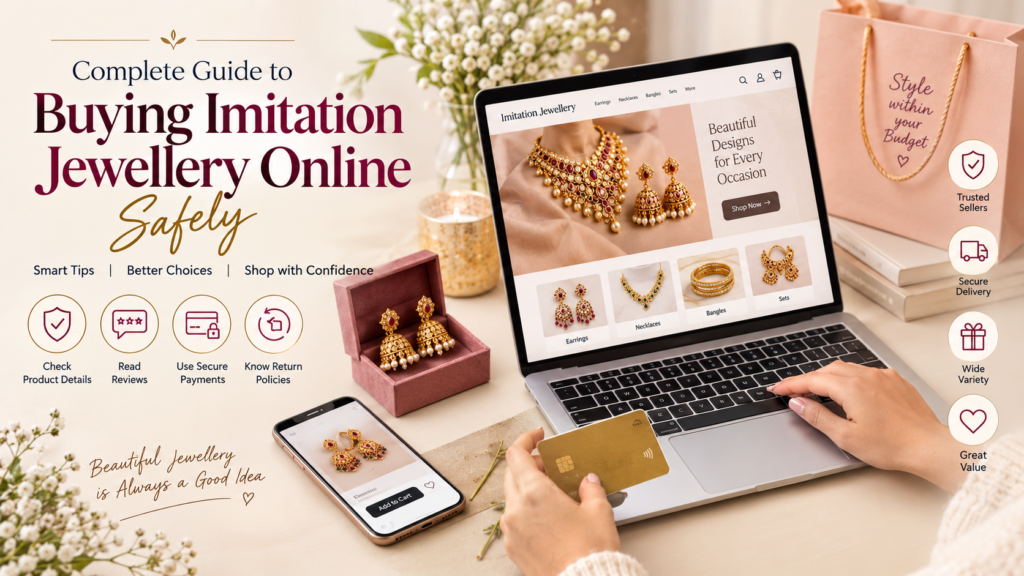
Complete Guide to Buying Imitation Jewellery Online Safely

Online shopping has made it incredibly easy to discover beautiful jewellery from the comfort of home. With just a few clicks, you can browse jhumkas, necklaces, bangles, earrings, chokers, and complete jewellery sets without visiting multiple stores. But there is one thing that makes online jewellery shopping different from buying in person: you cannot physically see or touch the product before placing the order. That is why knowing how to buy imitation jewellery online safely is important. A beautiful product photograph may catch your attention, but there are several other things you should check before making a purchase. From product details and customer reviews to return policies and payment security, a little research can help you shop with greater confidence. Whether you are buying jewellery for everyday wear, a wedding, festival, party, or as a gift, this complete guide will help you make smarter online jewellery purchases. Why Buy Imitation Jewellery Online? Imitation jewellery has become increasingly popular because it offers a wide variety of styles at accessible prices. Shopping online gives you even more choices. Instead of visiting several jewellery stores, you can compare designs, prices, sizes, and styles from your phone or computer. Some of the main advantages include: You can find everything from simple everyday earrings to elaborate traditional jewellery sets online. However, convenience should not mean buying without checking the details. 1. Start with a Reliable Jewellery Website The first step toward safe online jewellery shopping is choosing a trustworthy seller. Before purchasing, explore the jewellery website properly. Look for information such as: A professional website with clear product information generally makes the shopping experience easier to understand. Do not rush into buying simply because a particular product looks attractive. 2. Read the Product Description Carefully Product photographs tell you what jewellery looks like, but the product description tells you what you are actually buying. Always read the description before placing an order. Check details such as: This is particularly important for imitation jewellery because different products can use different materials and finishes. If the information is unclear, contact the seller before purchasing. 3. Understand the Difference Between Imitation Jewellery and Real Gold One of the most important things to remember when shopping online is that imitation jewellery is not the same as solid gold jewellery. Imitation jewellery is generally purchased for its design, appearance, styling versatility, and affordability. Solid gold jewellery contains precious metal and has a different material and financial value. If a product is described as gold-look, gold-plated, gold-finish, or imitation jewellery, read the exact product specifications instead of assuming that it is solid gold. Understanding what you are purchasing helps you avoid unrealistic expectations. 4. Look at Product Photos from Different Angles Online photographs are one of the best tools you have when shopping for jewellery. Don’t look at just the main image. If the website provides multiple photographs, check: Close-up photographs can help you examine the design and finishing more carefully. If the jewellery is highly detailed, zoom in and look at the small elements before making a decision. 5. Check the Actual Size One common mistake people make while buying jewellery online is judging the size only from a photograph. A pair of earrings may look large on a model but actually be quite small. Always check the listed measurements. For example, if an earring is described as 3 cm long, compare that measurement with an earring you already own. This gives you a much better idea of how large it will appear when worn. Pay particular attention to dimensions when buying: 6. Don’t Ignore Customer Reviews Customer reviews can be extremely useful when buying imitation jewellery online. Instead of looking only at the overall rating, read individual reviews. Customers may mention things that product descriptions don’t explain, such as: If a website provides customer photographs, these can also help you understand how the jewellery looks outside professional product photography. At the same time, remember that individual opinions can differ. Look for patterns across several reviews rather than relying on one comment. 7. Check the Return and Exchange Policy Before ordering jewellery online, always understand the seller’s return and exchange policy. Check: Some jewellery products may have specific return conditions for hygiene or product-protection reasons. Knowing the policy before purchasing is much better than discovering the terms after receiving the product. 8. Check Shipping and Delivery Information Don’t forget to check shipping details. Look for information about: If you are buying jewellery for a wedding, festival, birthday, or other important occasion, avoid waiting until the last minute. Give yourself enough time to receive and inspect the product. 9. Use Secure Payment Methods Payment security is another important part of safe online shopping. When purchasing from an unfamiliar website, pay attention to the checkout page and make sure the payment process appears legitimate and secure. Avoid sharing unnecessary financial information through: If a seller suddenly asks you to make payment to a different account or through an unusual method, verify the request before proceeding. 10. Be Careful with Extremely Low Prices Everyone loves a good deal, but an unusually low price should make you stop and investigate. If similar jewellery pieces are being sold at much higher prices elsewhere and one website is offering them at an unusually low price, don’t immediately assume you have found a bargain. Check: A reasonable price with clear product information is generally more reassuring than an unbelievable discount. 11. Check the Website’s Contact Information A reliable online jewellery store should make it reasonably easy for customers to get in touch. Look for: You should know how to reach the seller if there is a problem with your order. If a website provides very little information about who operates it or how to contact them, consider shopping elsewhere. 12. Save Your Order Details After placing an order, keep a record of your purchase. Save: These records can be useful if you need to contact the seller about an issue. It is a small habit that

Blog

Whales: Giants of the Ocean

Whales: Giants of the Ocean Whales are among the largest and most remarkable animals on Earth. These marine mammals live in oceans around the world, from warm tropical waters to the cold seas surrounding the poles. Life Beneath the Surface Although whales spend their lives in water, they breathe air through blowholes located on top of their heads. They must regularly return to the surface to breathe before diving again in search of food or traveling through the ocean. Whales are warm-blooded, give birth to live young, and nurse their calves with milk. A thick layer of fat called blubber helps protect them from cold water and stores energy during long migrations. Two Main Groups Whales are generally divided into baleen whales and toothed whales. Baleen whales filter small animals from the water using flexible plates inside their mouths. This group includes blue whales, humpback whales, and gray whales. Toothed whales use teeth to catch fish, squid, and other prey. Many of them also use echolocation, producing sounds and listening for returning echoes to understand their surroundings. Sperm whales, belugas, and orcas belong to this group. The Blue Whale The blue whale is the largest known animal to have ever lived. An adult can grow longer than a city bus and weigh well over one hundred tonnes. Despite its enormous size, it feeds mainly on tiny crustaceans called krill. Communication and Migration Whales communicate using clicks, whistles, pulses, and complex songs. Some sounds can travel across great distances underwater. Humpback whales are especially famous for their long, patterned songs. Many species migrate thousands of kilometres each year. They often feed in cold, nutrient-rich waters before traveling to warmer regions where they mate and give birth. Protecting Whales Commercial hunting once caused severe declines in many whale populations. Today, whales also face threats from fishing gear, ship collisions, underwater noise, pollution, and changes to ocean ecosystems. Conservation programs, safer fishing practices, protected habitats, and international cooperation can help whale populations recover. Protecting whales also supports healthier oceans because these animals play an important role in marine food webs and nutrient cycles.

Affordable Jewellery
Affordable jewelley

Affordable Jewellery That Looks Like Real Gold: A Buyer’s Guide

Gold jewellery has always been a favourite in Indian households. Whether it is a pair of jhumkas worn with a saree, a necklace for a wedding, or simple bangles for everyday wear, gold has a way of making any outfit feel more elegant. But buying real gold jewellery for every occasion can be expensive. At the same time, many women love having different jewellery designs to match different outfits. This is where affordable jewellery that looks like real gold becomes a practical choice. Modern imitation and gold-look jewellery is available in a wide variety of designs. Some pieces are so beautifully detailed and finished that they can give your outfit the rich, traditional appearance associated with gold jewellery—without requiring the same level of spending. If you are planning to buy affordable jewellery, knowing what to look for can help you make better choices. Here is a simple buyer’s guide to finding stylish gold-look jewellery for everyday wear and special occasions. What Is Gold-Look Jewellery? Gold-look jewellery refers to jewellery designed to give you the appearance of traditional gold jewellery without being made entirely from solid gold. Depending on the product, these pieces can use different base materials, coatings, finishes, stones, and manufacturing techniques. It is important to remember that gold-look jewellery and solid gold jewellery are not the same thing. Solid gold has precious-metal value, while imitation or fashion jewellery is primarily purchased for its design and appearance. The advantage is that you can enjoy a much wider variety of jewellery styles at a more accessible price. Why Are Affordable Gold-Look Jewellery Pieces So Popular? One of the biggest reasons is variety. Imagine finding a beautiful necklace for one saree, a different pair of earrings for another outfit, and a statement bangle set for a festival. Buying every design in solid gold may not be practical. Affordable jewellery makes experimentation easier. It can be a good option if you: Instead of having one expensive set that you wear occasionally, you can create a collection with several designs suited to different occasions. How to Choose Jewellery That Looks Like Real Gold Not every affordable jewellery piece has the same finish or appearance. If you want jewellery with a convincing gold-like look, there are several things worth checking before you buy. 1. Pay Attention to the Finish The finish is one of the first things people notice. A well-finished piece generally looks more refined than jewellery with an overly bright or uneven appearance. When shopping online, look at close-up product photographs. Check the jewellery from different angles and pay attention to the detailing. The goal is not simply to find something yellow or gold-coloured. Look for a finish that complements the overall design. 2. Look for Detailed Designs Good design can make affordable jewellery look considerably more elegant. Traditional patterns, textured details, carefully designed motifs, and decorative elements can give jewellery a richer appearance. This is especially true for pieces such as: A thoughtfully designed piece can make a strong impression without needing to be expensive. 3. Check the Material Information Never purchase jewellery based only on the photograph. Read the product description and check what the jewellery is made from. Depending on the product, information may include the base material, finish, coating, dimensions, weight, stones, and care instructions. Knowing these details helps you understand what you are actually buying. 4. Consider the Weight A large necklace or pair of earrings may look beautiful, but that does not mean it will be comfortable to wear for several hours. For everyday use, lightweight jewellery can be a better choice. For weddings, festivals, and other special occasions, you may prefer more elaborate designs. Think about where and how long you plan to wear the jewellery before choosing. Best Affordable Jewellery Pieces That Look Like Gold If you are building a collection, some jewellery styles are particularly versatile. Gold-Look Jhumkas Jhumkas are one of the easiest ways to add a traditional touch to your outfit. They pair naturally with sarees, lehengas, salwar suits, kurtas, and other ethnic outfits. For everyday wear, choose a simple or medium-sized design. For weddings and festivals, larger jhumkas with detailed patterns can create a more dramatic look. Gold-Look Necklaces A necklace can instantly become the centre of your outfit. You can choose a delicate pendant for daily wear or a detailed necklace set for weddings and festive occasions. Before choosing one, consider the necklines of the outfits you already own. A versatile necklace is usually more useful than a design that works with only one particular outfit. Gold-Look Bangles Bangles are timeless and easy to style. A few simple bangles can work with an everyday saree or kurta, while multiple bangles can create a festive appearance. You can also mix different designs to create a more personalized look. Gold-Look Earrings If you want to start small, earrings are a great place to begin. Consider having a mixture of: This gives you options for everything from office outfits to wedding wear. Temple-Inspired Jewellery Temple-inspired designs are especially popular for traditional occasions. Their detailed motifs and classic appearance work beautifully with silk sarees, festive outfits, and wedding looks. If you love traditional Indian fashion, having one temple-inspired jewellery set in your collection can give you plenty of styling possibilities. Affordable Jewellery for Everyday Wear Jewellery does not have to be reserved for weddings and festivals. Simple pieces can make everyday outfits feel more polished. For example: Office wear: Small earrings with a delicate pendant Casual kurta: Jhumkas or small hoops Simple saree: Medium earrings with a few bangles Western outfit: Minimal necklace with statement earrings The most important thing is comfort. If a piece is easy to wear and matches several outfits, you are more likely to use it regularly. Affordable Jewellery for Weddings and Festivals Weddings and festivals are the perfect time to experiment with more elaborate jewellery. Depending on your outfit, you can consider: If your saree or lehenga is heavily embroidered, avoid choosing jewellery that competes with every

Blog

Whales: Giants of the Ocean

Whales: Giants of the Ocean Whales are among the largest and most remarkable animals on Earth. These marine mammals live in oceans around the world, from warm tropical waters to the cold seas surrounding the poles. Life Beneath the Surface Although whales spend their lives in water, they breathe air through blowholes located on top of their heads. They must regularly return to the surface to breathe before diving again in search of food or traveling through the ocean. Whales are warm-blooded, give birth to live young, and nurse their calves with milk. A thick layer of fat called blubber helps protect them from cold water and stores energy during long migrations. Two Main Groups Whales are generally divided into baleen whales and toothed whales. Baleen whales filter small animals from the water using flexible plates inside their mouths. This group includes blue whales, humpback whales, and gray whales. Toothed whales use teeth to catch fish, squid, and other prey. Many of them also use echolocation, producing sounds and listening for returning echoes to understand their surroundings. Sperm whales, belugas, and orcas belong to this group. The Blue Whale The blue whale is the largest known animal to have ever lived. An adult can grow longer than a city bus and weigh well over one hundred tonnes. Despite its enormous size, it feeds mainly on tiny crustaceans called krill. Communication and Migration Whales communicate using clicks, whistles, pulses, and complex songs. Some sounds can travel across great distances underwater. Humpback whales are especially famous for their long, patterned songs. Many species migrate thousands of kilometres each year. They often feed in cold, nutrient-rich waters before traveling to warmer regions where they mate and give birth. Protecting Whales Commercial hunting once caused severe declines in many whale populations. Today, whales also face threats from fishing gear, ship collisions, underwater noise, pollution, and changes to ocean ecosystems. Conservation programs, safer fishing practices, protected habitats, and international cooperation can help whale populations recover. Protecting whales also supports healthier oceans because these animals play an important role in marine food webs and nutrient cycles.

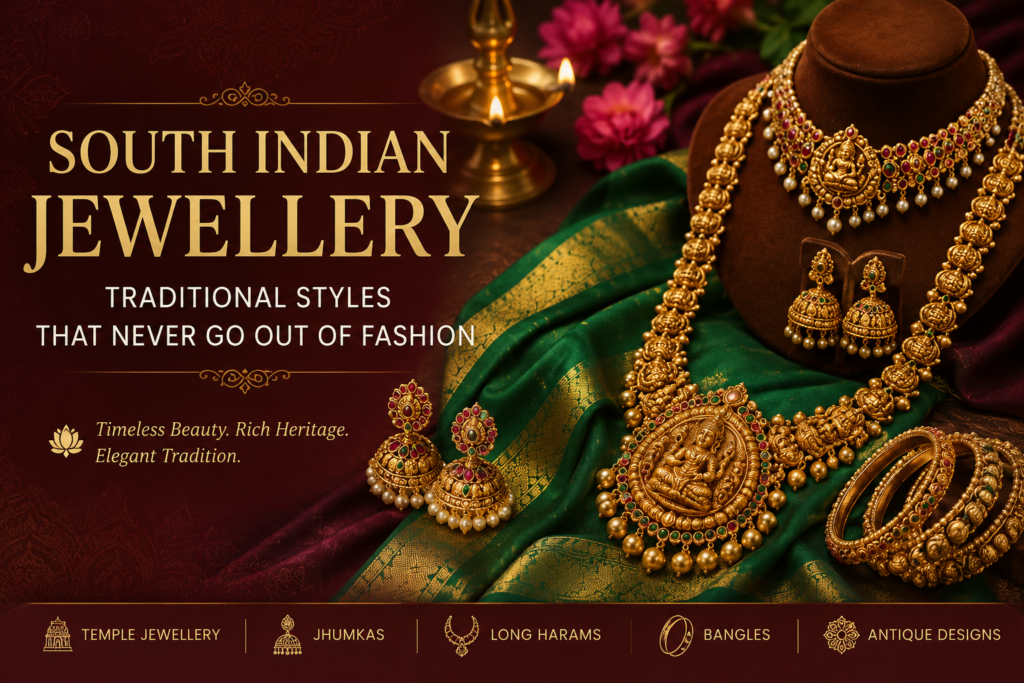
South Indian Traditional Jewellery Designs
Affordable jewelley

How to Style Imitation Jewellery with Traditional and Western Outfits

Jewellery has a simple way of changing an outfit. Even a basic kurta, saree, dress, or pair of jeans can look completely different with the right earrings, necklace, or bangles. The best part is that you do not always need expensive jewellery to create a stylish look. Imitation jewellery offers plenty of designs, finishes, and styles that can be mixed and matched with both traditional and Western outfits. From elegant jhumkas with a saree to statement earrings with a little black dress, the right jewellery can help you express your personal style without making your outfit feel overdone. If you are wondering how to style imitation jewellery with different outfits, here are some easy ideas to try. Why Choose Imitation Jewellery? Imitation jewellery has become a popular choice for everyday fashion, celebrations, parties, and even weddings. It allows you to experiment with different styles without investing in expensive jewellery for every outfit. You can find everything from traditional temple-inspired designs and jhumkas to modern hoops, chokers, layered necklaces, and statement earrings. Another advantage is versatility. A single jewellery piece can often be styled in several ways depending on your outfit and occasion. The key is not simply choosing beautiful jewellery. It is about choosing jewellery that works with your outfit. Styling Imitation Jewellery with Traditional Outfits Traditional Indian outfits naturally pair well with jewellery. However, you do not have to stick to the same jewellery combinations every time. A little experimentation can make your traditional look feel fresh and contemporary. 1. Jhumkas with Sarees Jhumkas and sarees are a timeless combination. Whether you are wearing a silk saree, cotton saree, designer saree, or festive saree, a pair of jhumkas can instantly add an ethnic touch. For a simple saree, you can choose slightly larger jhumkas to create a statement. If your saree already has heavy embroidery or embellishments, smaller jhumkas may create a more balanced appearance. Style tip: Match the finish of your jhumkas with your saree’s border or other jewellery for a coordinated look. 2. Temple-Inspired Jewellery with Silk Sarees Temple-inspired jewellery works particularly well with traditional silk sarees. Choose a necklace with matching earrings when dressing for weddings, festivals, religious celebrations, or other formal occasions. You can also keep the rest of your accessories simple if the necklace is heavily detailed. The goal is to create one strong focal point rather than wearing several competing statement pieces. 3. Chokers with Lehenga Outfits A choker can beautifully complement a lehenga, especially when the blouse has a deep or open neckline. For a heavily embroidered lehenga, consider a simpler choker. On the other hand, a relatively plain lehenga can be elevated with an ornate statement choker. Add matching earrings and a few bangles if you want a more traditional finish. 4. Long Necklaces with Anarkali Suits Long necklaces work beautifully with Anarkali suits because they follow the length and flow of the outfit. A long pendant necklace can add elegance without making the neckline look crowded. For printed or heavily embellished Anarkalis, choose a simple necklace. If your outfit is plain, you can experiment with a more detailed piece. 5. Bangles with Salwar Suits Bangles are one of the easiest ways to accessorize Indian outfits. Try a stack of thin bangles with a simple salwar suit for an everyday ethnic look. For festive occasions, you can combine different textures and finishes to create a richer appearance. If your outfit has strong colors, pick one or two shades from the outfit and repeat them in your bangles. Styling Imitation Jewellery with Western Outfits Imitation jewellery is not limited to ethnic clothing. Modern designs can work surprisingly well with Western outfits. The trick is to focus on proportion, simplicity, and contrast. 1. Statement Earrings with Dresses A simple dress can become much more interesting with statement earrings. For example, a plain black, white, or neutral-colored dress can be paired with oversized earrings to create a stylish evening look. When wearing statement earrings, you can skip the necklace. This keeps attention around your face and prevents the outfit from looking too busy. 2. Hoops with Jeans and Tops Hoop earrings are one of the easiest jewellery pieces to wear with casual Western outfits. Pair them with: Small hoops are perfect for everyday wear, while larger hoops can create a bolder fashion look. 3. Layered Necklaces with Basic Tops A plain T-shirt or solid-colored top provides the perfect background for layered necklaces. You can combine two or three delicate chains of different lengths to create a stylish layered effect. This works particularly well with round-neck, V-neck, and open-neck tops. Style tip: If your necklace has several layers, keep your earrings relatively simple. 4. Chokers with Party Dresses Chokers can add a modern edge to Western party outfits. A simple choker can work with a fitted dress, while a more detailed design can complement a plain evening outfit. However, avoid combining a heavy choker with a large statement necklace. Usually, one dominant neckpiece is enough. 5. Minimal Jewellery with Office Wear For office outfits, less is often more. Small earrings, delicate chains, simple bracelets, or slim bangles can add personality without looking too flashy. Try pairing: Formal shirt + small earrings + delicate chain or Blazer + simple studs + minimal bracelet The result is polished without appearing over-accessorized. How to Mix Traditional Jewellery with Western Clothing One of the most interesting jewellery trends is mixing Indian-inspired pieces with Western outfits. You do not have to reserve your jhumkas, oxidized earrings, or traditional pendants for ethnic clothing. For example, try wearing: This creates an Indo-Western look that feels fashionable without being complicated. How to Choose Jewellery Based on Your Outfit Neckline Your outfit’s neckline can make a big difference when choosing jewellery. Round Neck Short necklaces, chokers, and statement earrings generally work well with round-neck outfits. V-Neck Pendant necklaces that follow the V shape can create a balanced appearance. High Neck Consider skipping the necklace and focusing on earrings or bracelets. Strapless or Off-Shoulder

Affordable Jewellery Alternatives
Affordable jewelley, Temple Jewelley

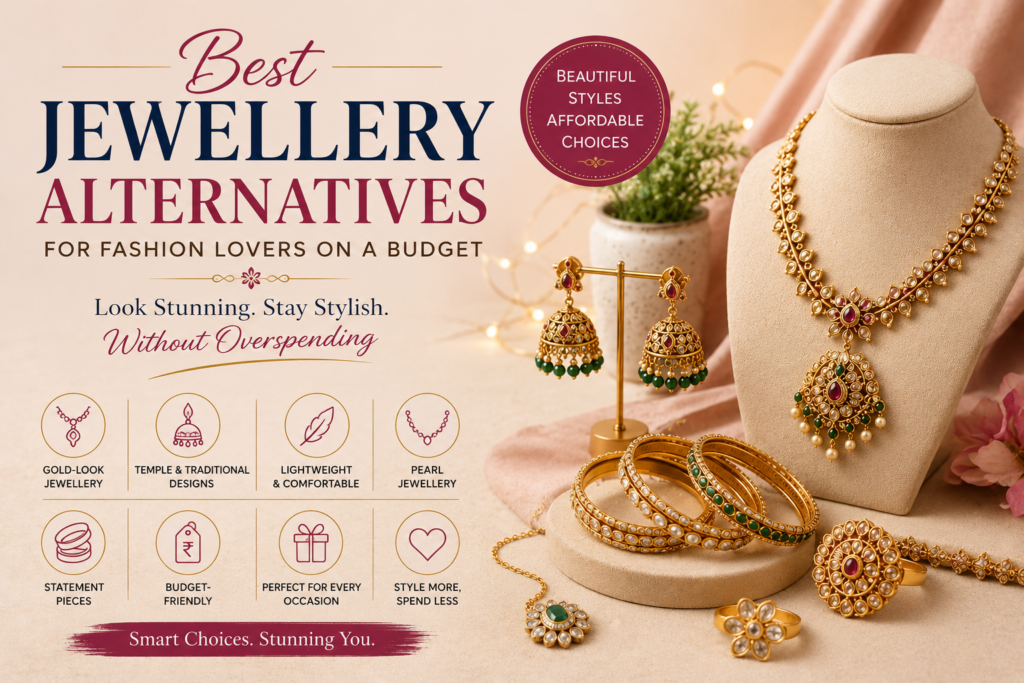
Best Jewellery Alternatives for Fashion Lovers on a Budget

Looking stylish doesn’t always mean spending a lot of money on jewellery. For many women, jewellery is a way to experiment with fashion, complete an outfit, and express their personality. But buying multiple expensive pieces for every wedding, festival, party, or family function can quickly become expensive. The good news is that there are plenty of jewellery alternatives for fashion lovers on a budget. From gold-look jewellery and traditional-inspired designs to lightweight statement pieces, you can build a beautiful collection without stretching your budget. The key is to choose versatile designs, shop thoughtfully, and focus on pieces that can be styled in different ways. Why Choose Jewellery Alternatives? Traditional gold jewellery has a timeless appeal, but it may not always be practical to purchase a new gold piece for every occasion. Affordable jewellery alternatives offer several advantages: Instead of investing your entire budget in one elaborate piece, you can explore several designs and create different looks. 1. Gold-Look Jewellery Gold-look jewellery is one of the most popular alternatives for women who love the appearance of traditional gold jewellery. These designs can recreate the rich visual appeal of gold-inspired jewellery in a variety of styles. You can find: Gold-look jewellery works especially well with sarees, lehengas, kurtas, and other ethnic outfits. When purchasing, always check the specific product description and understand the materials and finish used. 2. Gold Sheet Jewellery Gold sheet jewellery is another option for fashion lovers looking for traditional-inspired designs at more accessible price points. It allows you to explore elaborate styles without necessarily limiting your collection to one or two expensive pieces. Traditional-inspired gold sheet jewellery can be suitable for: A well-chosen necklace or jhumka set can instantly elevate a simple outfit. 3. Temple-Inspired Jewellery If you love traditional South Indian styling, temple-inspired jewellery can be an excellent addition to your collection. These designs draw inspiration from traditional motifs and temple art, giving them a distinctive heritage-inspired appearance. Try adding: You don’t need a complete set. Even one temple-inspired statement piece can transform an ethnic outfit. 4. Fashion Jewellery Sets Matching jewellery sets can be useful when you want a coordinated appearance without spending too much. A set may include a necklace and earrings or several matching pieces. They are particularly convenient for: Look for sets that can also be separated and styled with different outfits. This gives you more value from a single purchase. 5. Statement Earrings If your budget is limited, statement earrings can be one of the smartest jewellery investments. A beautiful pair of earrings can completely change a simple outfit without requiring a matching necklace or elaborate accessories. Popular choices include: Pair statement earrings with a simple necklace or skip the necklace altogether for a modern appearance. 6. Lightweight Jewellery Heavy jewellery can look beautiful, but it isn’t always comfortable for everyday wear. Lightweight jewellery provides a practical alternative for women who want to look stylish throughout the day. Lightweight pieces are ideal for: Because they are easy to wear, these pieces can become some of the most frequently used items in your jewellery collection. 7. Pearl Jewellery Pearls are another affordable way to introduce elegance into your jewellery collection. Their simple appearance works with both traditional and contemporary outfits. A pearl necklace can be worn with a saree, while pearl earrings can complement a kurta, dress, or festive outfit. For a more traditional look, try combining pearls with gold-look or temple-inspired designs. 8. Antique-Finish Jewellery Antique-inspired jewellery can give an outfit a rich, heritage-inspired appearance. The deeper finish works particularly well with: Because antique-inspired designs are often influenced by classic jewellery styles, they can remain fashionable even as trends change. 9. Chokers for a Modern Traditional Look A choker can make a strong style statement without requiring a complete jewellery set. Traditional-inspired chokers are especially effective with sarees and lehengas. For a balanced look, pair a statement choker with: This keeps the focus around the neckline while avoiding an overly crowded appearance. 10. Layered Necklaces Layering can make a simple jewellery collection look much more elaborate. Instead of buying one very expensive necklace, consider combining two or three complementary pieces. You can experiment with: The important thing is to maintain some connection between the pieces so the final look feels intentional. How to Build a Jewellery Collection on a Budget The smartest approach is to buy pieces that work with several outfits. Start with versatile essentials such as: You can gradually expand the collection as your needs change. Choose Jewellery Based on Your Wardrobe Before buying a new piece, look at the clothes you already own. If you have several silk sarees, traditional and temple-inspired jewellery may be useful. If your wardrobe contains mostly simple kurtas and contemporary outfits, lightweight earrings and minimalist necklaces may offer more value. If you attend weddings frequently, investing in a few versatile statement pieces can help you create different looks without buying something new for every event. Don’t Follow Every Trend Fashion trends can be exciting, but they change quickly. If you’re shopping on a budget, prioritise timeless designs that can remain useful for several years. Jhumkas, simple necklaces, traditional bangles, pearls, pendants, and classic chokers can often be styled in many different ways. You can then add one or two trendy pieces when you want to experiment. Think About Cost Per Wear One useful way to decide whether a jewellery purchase is worth it is to consider how often you’ll wear it. A moderately priced necklace that works with ten outfits may provide more value than a very elaborate piece that you wear once. Ask yourself: Can I style this jewellery with at least three different outfits? If the answer is yes, it is likely to become a more useful part of your collection. Tips for Buying Affordable Jewellery Online Online shopping gives you access to a huge variety of jewellery, but don’t make a purchase based only on attractive photographs. Before ordering, check: Product Description Understand the materials, finish, dimensions, and other available

Shopping Cart
error: Content is protected !!
Scroll to Top