loader image

Viswa Designers

Blog

Your blog category

Blog

Whales: Giants of the Ocean

Whales: Giants of the Ocean Whales are among the largest and most remarkable animals on Earth. These marine mammals live in oceans around the world, from warm tropical waters to the cold seas surrounding the poles. Life Beneath the Surface Although whales spend their lives in water, they breathe air through blowholes located on top of their heads. They must regularly return to the surface to breathe before diving again in search of food or traveling through the ocean. Whales are warm-blooded, give birth to live young, and nurse their calves with milk. A thick layer of fat called blubber helps protect them from cold water and stores energy during long migrations. Two Main Groups Whales are generally divided into baleen whales and toothed whales. Baleen whales filter small animals from the water using flexible plates inside their mouths. This group includes blue whales, humpback whales, and gray whales. Toothed whales use teeth to catch fish, squid, and other prey. Many of them also use echolocation, producing sounds and listening for returning echoes to understand their surroundings. Sperm whales, belugas, and orcas belong to this group. The Blue Whale The blue whale is the largest known animal to have ever lived. An adult can grow longer than a city bus and weigh well over one hundred tonnes. Despite its enormous size, it feeds mainly on tiny crustaceans called krill. Communication and Migration Whales communicate using clicks, whistles, pulses, and complex songs. Some sounds can travel across great distances underwater. Humpback whales are especially famous for their long, patterned songs. Many species migrate thousands of kilometres each year. They often feed in cold, nutrient-rich waters before traveling to warmer regions where they mate and give birth. Protecting Whales Commercial hunting once caused severe declines in many whale populations. Today, whales also face threats from fishing gear, ship collisions, underwater noise, pollution, and changes to ocean ecosystems. Conservation programs, safer fishing practices, protected habitats, and international cooperation can help whale populations recover. Protecting whales also supports healthier oceans because these animals play an important role in marine food webs and nutrient cycles.

Latest Temple Jewellery Designs
Blog

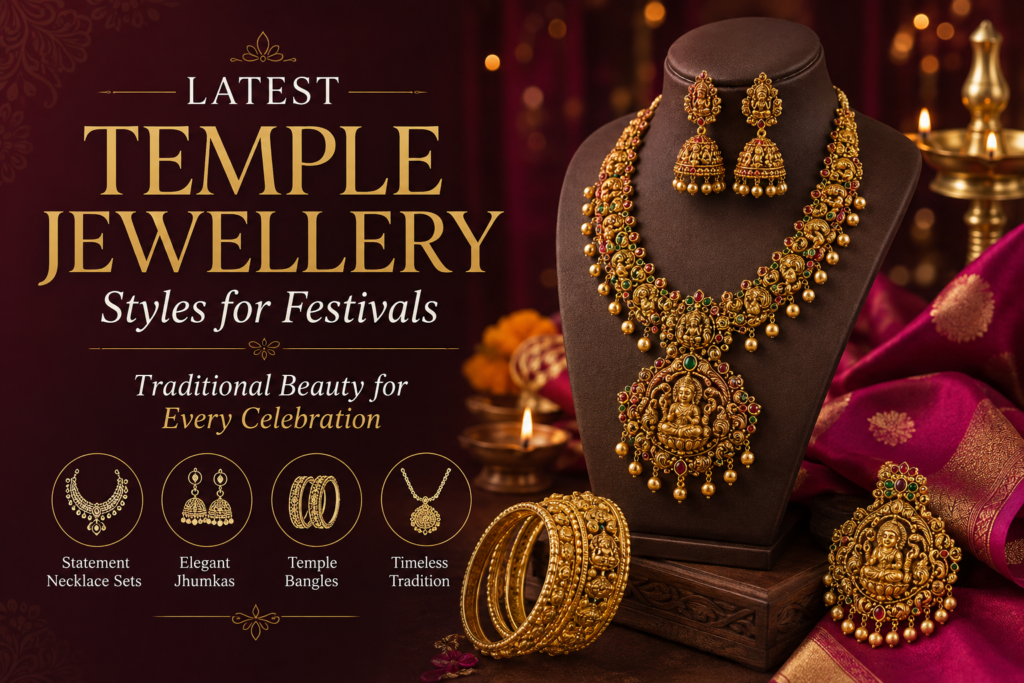
Latest Temple Jewellery Designs for Festivals and Celebrations

Festivals and celebrations are the perfect occasions to dress up, embrace tradition, and add a little extra sparkle to your look. While beautiful sarees and ethnic outfits naturally take centre stage, the right jewellery can make the entire look feel more complete. Among the many traditional jewellery styles available today, temple jewellery continues to be a favourite. Its heritage-inspired motifs, detailed craftsmanship, and rich appearance make it ideal for festivals, family functions, religious ceremonies, and special celebrations. Today, temple jewellery is also evolving. Traditional designs are being combined with lighter silhouettes, contemporary styling, and versatile pieces that appeal to women of different age groups. If you’re looking for inspiration, here are some of the latest temple jewellery styles worth exploring for your next celebration. Why Temple Jewellery Is Perfect for Festivals Temple jewellery has a natural connection with Indian traditions and celebrations. Its intricate motifs and classic appearance complement traditional outfits beautifully. It works especially well with: Whether you’re attending a pooja or a large family celebration, temple-inspired jewellery can add an elegant traditional touch to your outfit. 1. Statement Temple Necklace Sets Statement necklace sets continue to be a popular choice for festive occasions. These designs often feature intricate motifs and detailed patterns that create an eye-catching appearance without requiring too many additional accessories. A statement temple necklace works particularly well with a simple silk saree because it becomes the main highlight of the outfit. For a balanced appearance, pair it with matching earrings and keep the rest of your accessories relatively subtle. 2. Lightweight Temple Jewellery One of the biggest trends in traditional jewellery is the move towards lighter, more comfortable designs. Festivals can involve several hours of celebrations, visits, rituals, and family gatherings. Lightweight temple jewellery allows you to enjoy the occasion without feeling weighed down. Popular lightweight options include: These pieces are also practical because they can often be worn beyond the festive season. 3. Temple Jhumkas Jhumkas remain one of the easiest ways to add a traditional touch to your festive outfit. Temple-inspired jhumkas can feature detailed motifs, traditional shapes, and an antique-style finish. You can choose larger jhumkas for a statement look or smaller designs for a more refined appearance. A pair of temple jhumkas can instantly elevate: 4. Long Temple Harams For grand festivals and special celebrations, a long haram can create a beautiful traditional look. Long harams add length to the jewellery arrangement and work especially well with silk sarees. You can wear a haram on its own or layer it with a shorter temple necklace for a more elaborate appearance. For family weddings, major festivals, and cultural events, this combination can create a regal look. 5. Temple-Inspired Chokers Chokers are becoming increasingly popular among women who want traditional jewellery with a contemporary feel. A temple-inspired choker sits close to the neckline and can beautifully frame a saree blouse or lehenga neckline. For a modern festive look, pair a statement choker with simple earrings and minimal bangles. 6. Temple Bangles Traditional bangles are an important part of festive styling, and temple-inspired designs add an extra heritage touch. You can wear a coordinated set or combine different bangles to create a layered appearance. Temple bangles pair beautifully with: If your necklace and earrings are elaborate, choose simpler bangles to keep the overall look balanced. 7. Temple-Inspired Pendant Sets If you prefer minimal jewellery, a temple-inspired pendant may be the perfect choice. A traditional pendant can add cultural character without creating an overly elaborate look. It works particularly well for: Pair it with small earrings and a simple bangle for an understated festive appearance. 8. Antique-Finish Temple Jewellery Antique finishes continue to be popular because they give temple jewellery a heritage-inspired appearance. The slightly deeper finish can complement rich fabrics and traditional colours beautifully. Antique temple jewellery looks particularly attractive with: It can create a vintage-inspired appearance while remaining suitable for contemporary celebrations. 9. Pearl and Temple Jewellery Combinations Combining pearls with temple-inspired designs creates an elegant balance between traditional richness and softer sophistication. Pearl details can be incorporated into: This style is particularly suitable for women who want traditional jewellery with a slightly lighter and more refined appearance. 10. Contemporary Temple Jewellery Modern temple jewellery doesn’t always follow traditional designs exactly. Contemporary versions may feature simpler motifs, cleaner shapes, smaller silhouettes, or designs that can easily be paired with modern ethnic outfits. This makes temple jewellery appealing to younger women who want to celebrate tradition without creating an overly traditional appearance. For example, you can pair a simple temple-inspired necklace with a designer saree and contemporary blouse. How to Choose Temple Jewellery for Different Festivals Different celebrations may call for different jewellery styles. Diwali Try statement earrings, elegant temple necklaces, or layered jewellery with festive sarees and lehengas. Sankranti Traditional jhumkas, temple jewellery, and bangles work beautifully with silk sarees and half sarees. Ugadi Choose elegant and relatively lightweight traditional jewellery for a graceful festive appearance. Navratri and Dussehra Statement earrings, chokers, colourful necklace sets, and traditional bangles can complement vibrant ethnic outfits. Religious Ceremonies Choose elegant temple-inspired necklaces, simple pendants, and traditional earrings for a refined appearance. How to Match Temple Jewellery with Your Outfit The jewellery should complement your clothing rather than compete with it. If you’re wearing a heavily embroidered outfit, choose a slightly simpler jewellery set. If your saree is relatively plain, a statement temple necklace or large jhumkas can add the right amount of detail. Also consider the neckline, saree border, blouse design, and colours when selecting your jewellery. Gold Sheet Temple Jewellery for Affordable Festive Styling Traditional gold jewellery can be a significant investment, especially when you’re looking for elaborate temple-inspired designs. Premium gold sheet jewellery offers an accessible way to explore traditional gold-look designs for different occasions. Depending on the collection, you can find: These designs can help you create multiple festive looks while keeping your jewellery collection versatile. As always, check the specific product description, materials, finish, dimensions, and care instructions before purchasing. Tips

Blog

Whales: Giants of the Ocean

Whales: Giants of the Ocean Whales are among the largest and most remarkable animals on Earth. These marine mammals live in oceans around the world, from warm tropical waters to the cold seas surrounding the poles. Life Beneath the Surface Although whales spend their lives in water, they breathe air through blowholes located on top of their heads. They must regularly return to the surface to breathe before diving again in search of food or traveling through the ocean. Whales are warm-blooded, give birth to live young, and nurse their calves with milk. A thick layer of fat called blubber helps protect them from cold water and stores energy during long migrations. Two Main Groups Whales are generally divided into baleen whales and toothed whales. Baleen whales filter small animals from the water using flexible plates inside their mouths. This group includes blue whales, humpback whales, and gray whales. Toothed whales use teeth to catch fish, squid, and other prey. Many of them also use echolocation, producing sounds and listening for returning echoes to understand their surroundings. Sperm whales, belugas, and orcas belong to this group. The Blue Whale The blue whale is the largest known animal to have ever lived. An adult can grow longer than a city bus and weigh well over one hundred tonnes. Despite its enormous size, it feeds mainly on tiny crustaceans called krill. Communication and Migration Whales communicate using clicks, whistles, pulses, and complex songs. Some sounds can travel across great distances underwater. Humpback whales are especially famous for their long, patterned songs. Many species migrate thousands of kilometres each year. They often feed in cold, nutrient-rich waters before traveling to warmer regions where they mate and give birth. Protecting Whales Commercial hunting once caused severe declines in many whale populations. Today, whales also face threats from fishing gear, ship collisions, underwater noise, pollution, and changes to ocean ecosystems. Conservation programs, safer fishing practices, protected habitats, and international cooperation can help whale populations recover. Protecting whales also supports healthier oceans because these animals play an important role in marine food webs and nutrient cycles.

Traditional Jewellery for Wedding
Blog

Traditional Jewellery Trends That Never Go Out of Style

Fashion keeps changing, but some jewellery designs remain beautiful no matter how many years pass. Traditional Indian jewellery is a perfect example. From elegant jhumkas worn by grandmothers to temple-inspired necklaces styled by today’s younger women, these timeless designs continue to find a place in modern wardrobes. What makes traditional jewellery special is its ability to combine heritage with personal style. You can wear the same classic design with a silk saree for a wedding, pair it with a lehenga for a festive celebration, or even style a smaller piece with a contemporary outfit. If you’re building a jewellery collection that will remain stylish for years, here are some traditional jewellery trends that never go out of style. 1. Classic Jhumkas Jhumkas are probably one of the most recognizable traditional Indian jewellery styles. Their bell-shaped design gives them a distinctive appearance, while the variety of sizes and finishes makes them suitable for different occasions. You can choose: A simple pair can elevate everyday ethnic wear, while a larger pair can make a statement at weddings and festivals. 2. Temple Jewellery Temple jewellery has remained popular for generations because of its connection with Indian heritage and traditional craftsmanship. Inspired by temple art and motifs, these designs often feature elements such as flowers, leaves, coins, and divine-inspired patterns. Temple jewellery works beautifully with: Its timeless appearance ensures that it never feels completely out of fashion. 3. Long Harams Long harams are especially popular in South Indian jewellery styling. They add length and elegance to a traditional outfit and can be worn alone or layered with a shorter necklace. A long haram looks particularly beautiful with silk sarees and bridal outfits, making it a favourite for weddings and major celebrations. For a more contemporary look, you can also pair a traditional-inspired haram with a simpler ethnic outfit. 4. Traditional Necklace Sets A classic necklace set is a jewellery wardrobe essential. Traditional necklace designs can range from delicate everyday pieces to elaborate bridal sets. Because of this variety, there is a necklace for almost every occasion. A versatile collection might include: Choosing different sizes allows you to style your jewellery according to the occasion. 5. Antique-Finish Jewellery Antique-inspired jewellery has a distinctive character that gives traditional outfits a rich and elegant appearance. The deeper finish works especially well with silk and handloom sarees. Antique jewellery can be styled for: Because the designs draw inspiration from classic Indian jewellery, they continue to remain relevant even as modern trends change. 6. Traditional Bangles Bangles have been an important part of Indian jewellery traditions for centuries. Whether worn individually or stacked together, they add movement and elegance to your hands. Popular styles include: You can mix different designs to create a layered look or keep it simple with one or two statement pieces. 7. Pearl Jewellery Pearls may have a softer appearance than traditional gold-look jewellery, but their elegance is truly timeless. Pearl necklaces and earrings can complement both traditional and contemporary outfits. They work particularly well for: Pearls can also be combined with traditional jewellery for a sophisticated contrast. 8. Choker Necklaces Chokers have existed in different forms for generations and continue to evolve with modern fashion. Traditional chokers featuring intricate motifs, stones, pearls, or antique-inspired details can create a beautiful statement around the neckline. Pair a traditional choker with: For a balanced look, let the choker be the main focus and keep the remaining jewellery relatively simple. 9. Statement Earrings Large traditional earrings are another trend that continues to stay relevant. When your outfit is simple, statement earrings can provide all the drama you need. Options include: They are particularly useful when you want to create a stylish look without wearing a heavy necklace. 10. Coin and Traditional Motif Jewellery Jewellery featuring coin-like elements and traditional motifs has a strong cultural appeal. These designs can be found in necklaces, harams, earrings, and bangles. They often create a rich traditional appearance when paired with silk sarees and festive clothing. Their classic character makes them ideal for women who appreciate heritage-inspired fashion. 11. Gold-Look Jewellery for Timeless Styling Traditional gold jewellery has always been admired, but its cost can make it difficult to build a large collection. Premium gold-look and gold sheet jewellery provide an opportunity to explore traditional designs at a more accessible price point. Depending on the collection, you can find: These pieces can help you create different looks for weddings, festivals, parties, and family occasions. Why Traditional Jewellery Continues to Stay Popular The popularity of traditional jewellery isn’t simply about fashion. It represents: Heritage: Traditional designs connect modern wardrobes with India’s rich jewellery traditions. Versatility: Many classic pieces can be styled with sarees, lehengas, salwar suits, and even Indo-western outfits. Timeless beauty: Classic designs don’t depend entirely on short-lived fashion trends. Emotional value: Jewellery is often associated with weddings, festivals, family celebrations, and important milestones. Adaptability: Younger generations continue to reinterpret traditional designs in modern ways. How to Make Traditional Jewellery Look Modern You don’t have to wear a completely traditional outfit to enjoy traditional jewellery. Try combining classic jewellery with contemporary clothing. For example: This balance between old and new can create a fresh and sophisticated look. Tips for Building a Timeless Jewellery Collection You don’t need dozens of pieces to create a versatile collection. Start with a few essentials: Once you have these basics, you can gradually add pieces based on your personal style and occasions. Discover Timeless Traditional Jewellery at Viswa Jewels At Viswa Jewels, we believe traditional jewellery should celebrate India’s heritage while fitting naturally into modern wardrobes. Our collections include elegant designs such as: Whether you’re looking for jewellery for a wedding, festival, family celebration, gifting, or everyday ethnic wear, timeless designs can help you create a collection that stays beautiful for years. Final Thoughts Trends may change, but traditional jewellery has a unique ability to remain relevant. Jhumkas, temple jewellery, long harams, classic necklaces, bangles, pearls, chokers, and statement earrings continue to be loved because they combine

Shopping Cart
error: Content is protected !!
Scroll to Top